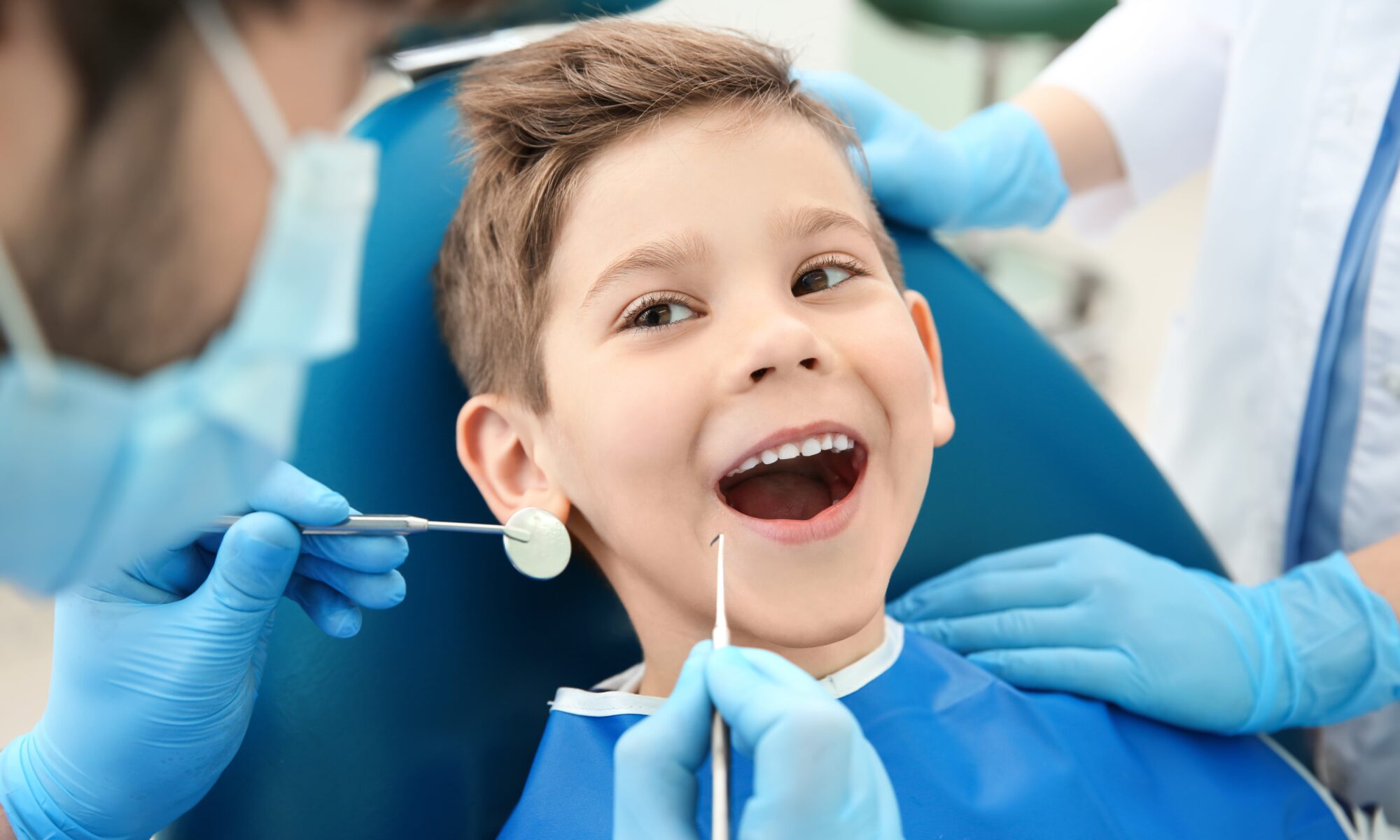
Good dental health is crucial for people of all ages, but it is especially important for children. Early habits and experiences with dentistry can have a lasting impact on a child’s oral health. That’s why children’s dentistry plays a key role in promoting healthy teeth and gums, preventing dental issues, and ensuring a confident smile as they grow up. In this blog post, we explore the importance of children’s dentistry and how parents can set their children up for a lifetime of good oral hygiene.
Why is Children’s Dentistry Important?
- Preventive Care: Regular visits to a children’s dentist allow for the early detection and prevention of dental issues such as cavities and gum disease. Dentists can also provide fluoride treatments and dental sealants, both of which are highly effective in preventing tooth decay.
- Development Monitoring: Children’s dentists are specially trained to monitor the development of a child’s teeth and jaws. They can identify and address any abnormalities, ensuring proper alignment and a healthy bite. Early intervention can prevent more extensive orthodontic treatments later in life.
- Education and Guidance: Children’s dentists play a crucial role in educating children and their parents about the importance of oral hygiene. They can provide guidance on proper brushing and flossing techniques, as well as nutrition tips that promote healthy teeth.
- Anxiety Management: Many children may experience dental anxiety, which can prevent them from seeking dental care. Dentists who specialize in treating children are skilled in creating a welcoming and comfortable environment, alleviating fears and making dental visits a positive experience.
- Setting Lifelong Habits: Regular visits to a children’s dentist from an early age can establish good oral hygiene habits that will last a lifetime. Children who learn to prioritize their oral health are more likely to continue practicing proper dental care as they grow older.
Tips for Parents
As a parent, there are several things you can do to ensure your child receives the best dental care:
- Start Early: The American Academy of Pediatric Dentistry (AAPD) recommends that children visit a dentist within six months of their first tooth erupting or by their first birthday.
- Lead by Example: Children learn from their parents. Make sure you prioritize your own oral health and demonstrate good dental hygiene practices to your child.
- Make it Fun: Turn brushing and flossing into a fun activity. Use colorful toothbrushes and flavored toothpaste to make the experience enjoyable for your child.
- Limit Sugary Snacks and Drinks: Excessive sugar consumption is one of the leading causes of tooth decay. Encourage healthy snacking and limit sugary treats and beverages.
- Regular Check-ups: Schedule regular visits to a children’s dentist for routine check-ups and cleanings. This will ensure any issues are detected early and promptly addressed.
Children’s dentistry plays a vital role in promoting good oral health, preventing dental problems, and educating children and parents about proper dental care. By starting early, making dental visits fun, and prioritizing good oral hygiene habits, parents can set their children up for a lifetime of healthy smiles. So, don’t underestimate the importance of children’s dentistry – it is an investment in your child’s overall well-being and confidence.

Maintaining good oral health is crucial for overall well-being. Not only does it result in a sparkling smile, but it also plays a significant role in preventing common oral issues such as cavities, gum diseases, and bad breath. In this blog post, we will explore the essentials of oral health, focusing on the care of teeth and gums.
Brushing Techniques: The Foundation of Oral Hygiene
Proper brushing techniques are vital for ensuring healthy teeth and gums. Use a soft-bristled brush and fluoride toothpaste, and follow these guidelines:
- Brush at least twice a day, for two minutes each time.
- Utilize gentle, circular motions ensuring every tooth surface is covered.
- Clean the tongue to eliminate bacteria and prevent bad breath.
- Replace your toothbrush every three to four months or sooner if the bristles become frayed.
Flossing: An Extra Step Towards Optimal Oral Health
Brushing alone isn’t sufficient for maintaining oral health. Flossing helps remove plaque and debris from areas that a toothbrush can’t reach. Incorporate the following tips into your flossing routine:
- Use a generous amount (around 18 inches) of dental floss.
- Gently guide the floss between each tooth, hugging it against the tooth’s surface.
- Curve the floss into a C-shape, sliding it beneath the gum line to remove plaque.
- Repeat the process for each tooth, using a clean section of floss each time.
The Importance of Regular Dental Check-ups
Regular dental check-ups are essential for early detection and prevention of oral issues. Dentists can identify potential problems and provide appropriate treatment. Schedule dental visits at least twice a year and do not hesitate to consult with a dental professional if you experience any signs of dental problems, such as tooth pain, bleeding gums, or sensitivity.
Maintain a Balanced Diet for Oral Health
Diet plays a vital role in oral health. Follow these dietary recommendations for healthy teeth and gums:
- Limit sugary and acidic food and beverages, as they contribute to tooth decay.
- Include calcium-rich foods like dairy products, leafy greens, and nuts to promote strong teeth.
- Eat foods rich in vitamin C, like citrus fruits, strawberries, and bell peppers, to maintain healthy gums.
Additional Tips for Optimal Oral Health
Apart from the basics, consider the following additional tips to promote oral health:
- Use mouthwash to kill oral bacteria and freshen breath.
- Limit tobacco and alcohol consumption, as they increase the risk of oral diseases.
- Protect your teeth during sports activities with mouthguards.
- Avoid using your teeth as tools for opening packages or biting hard objects.
Achieving and maintaining optimal oral health is a lifelong commitment. By employing proper brushing and flossing techniques, scheduling regular dental check-ups, maintaining a balanced diet, and following the additional tips mentioned, you are on your way to a healthier smile and improved overall well-being. Start taking care of your oral health today and enjoy the benefits for years to come!
