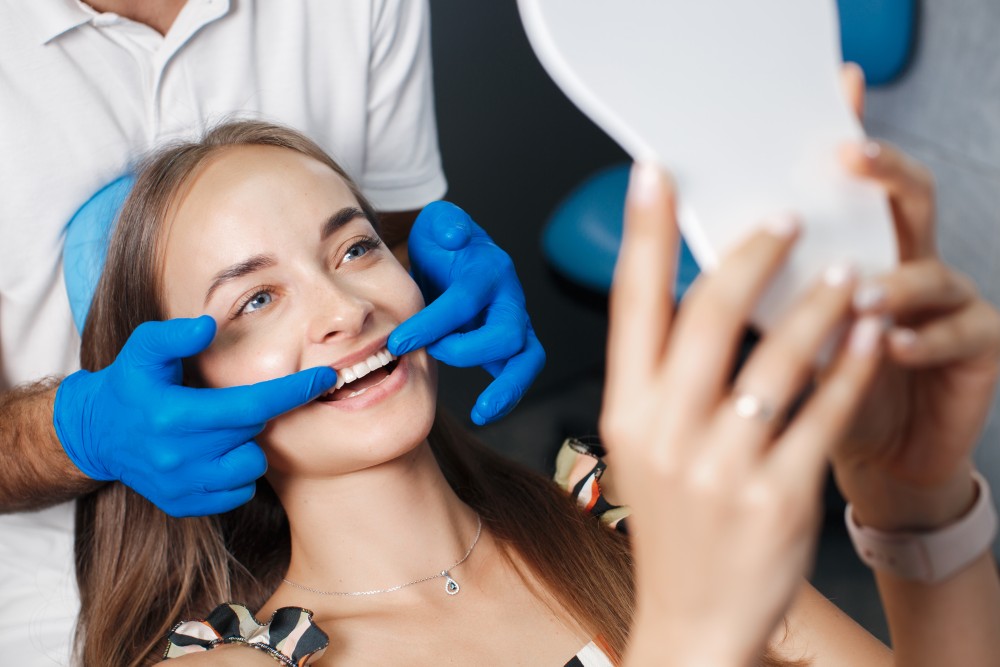
Bite alignment plays a much larger role in oral health than many people realize. For patients across Orleans, the way upper and lower teeth come together affects not only how a smile looks, but also how it functions over time. When bite alignment is balanced, teeth work together smoothly. When it’s off, even slightly, it can lead to wear, discomfort, and long-term oral health issues.
We view bite alignment as a foundational part of dental wellness. A properly aligned bite supports comfortable chewing, protects teeth from excess stress, and helps maintain healthy jaw joints and gums. Addressing bite concerns early can prevent years of avoidable damage and improve overall quality of life.
What Is Bite Alignment?
Bite alignment refers to how the upper and lower teeth fit together when the mouth closes. Ideally, teeth should meet evenly and comfortably, distributing pressure across the entire bite.
When alignment is balanced:
- Teeth contact smoothly
- Chewing feels effortless
- Jaw movement is comfortable
- Teeth experience even wear
When alignment is off, certain teeth may absorb more pressure than others, leading to gradual damage over time.
Common Bite Alignment Issues
Bite misalignment can take many forms. Some are obvious, while others develop quietly and worsen slowly.
Common bite concerns include:
- Overbite or underbite
- Crossbite
- Open bite
- Crowding or spacing issues
- Shifting teeth due to tooth loss
- Bite changes caused by grinding or clenching
For many Orleans patients, these issues develop gradually and may not cause immediate pain, which is why they often go unnoticed.
Why Bite Alignment Matters for Tooth Health
Teeth are designed to handle chewing forces evenly. When bite alignment is uneven, some teeth take on more pressure than they should.
Over time, this can lead to:
- Accelerated tooth wear
- Cracks or fractures
- Sensitivity
- Loosening of teeth
- Damage to restorations such as fillings or crowns
Proper alignment helps protect teeth from excessive stress and preserves natural tooth structure for the long term.
The Connection Between Bite Alignment and Gum Health
Gums support and protect teeth, but uneven bite pressure can place strain on the surrounding tissues. Teeth that receive excessive force may begin to shift, creating pockets where bacteria can collect.
Poor bite alignment can contribute to:
- Gum inflammation
- Gum recession
- Bone loss around stressed teeth
- Increased risk of gum disease
For Orleans patients, maintaining balanced bite forces helps keep gums healthy and stable over time.
Jaw Comfort and Bite Alignment
The jaw joints work in coordination with teeth. When the bite is misaligned, the jaw may compensate by shifting during movement.
This can result in:
- Jaw tension or soreness
- Clicking or popping sounds
- Headaches or facial discomfort
- Neck or shoulder strain
- Fatigue when chewing
Addressing bite alignment can significantly improve jaw comfort and reduce strain on surrounding muscles and joints.
Bite Alignment and Long-Term Wear
Teeth naturally wear down over time, but misalignment accelerates this process. Uneven contact points cause certain teeth to grind against each other more aggressively.
This uneven wear may lead to:
- Flattened teeth
- Shortened tooth height
- Increased sensitivity
- Changes in facial appearance
- Bite collapse over time
Early evaluation allows us to identify wear patterns and intervene before permanent damage occurs.
How Bite Alignment Affects Daily Function
Bite alignment influences many daily activities, often without patients realizing it.
Proper alignment supports:
- Efficient chewing
- Comfortable speech
- Balanced jaw movement
- Reduced fatigue while eating
Misalignment may cause patients to avoid certain foods, chew on one side, or experience discomfort during meals. Over time, these adaptations can worsen oral health and comfort.
Bite Alignment in Children and Teens
For children and teens in Orleans, bite alignment plays a critical role in development. As jaws grow and permanent teeth emerge, early guidance can influence long-term outcomes.
Monitoring alignment early helps:
- Guide jaw growth
- Identify orthodontic needs
- Prevent severe crowding
- Reduce future complications
- Support healthy facial development
Addressing bite concerns during growth often leads to simpler and more effective treatment.
Adult Bite Changes Over Time
Bite alignment is not static. Even adults with previously straight teeth may experience changes over time.
Factors that affect adult bite alignment include:
- Tooth loss
- Grinding or clenching
- Gum disease
- Wear on restorations
- Shifting teeth
Regular monitoring allows us to detect subtle changes before they lead to discomfort or damage.
The Link Between Bite Alignment and Restorations
Fillings, crowns, bridges, and implants rely on proper bite balance to perform well long-term. Misaligned bite forces can shorten the lifespan of restorations.
Poor alignment may cause:
- Premature wear of restorations
- Fractures or loosening
- Recurrent decay around restorations
- Uneven pressure on implants
Ensuring balanced bite alignment helps protect dental work and reduces the need for repairs or replacements.
Bite Alignment and Teeth Grinding
Grinding and clenching often worsen when bite alignment is uneven. The body may attempt to compensate for imbalance through excessive muscle activity.
This can lead to:
- Jaw pain
- Tooth fractures
- Headaches
- Muscle fatigue
- Accelerated wear
Addressing bite alignment can reduce grinding intensity and protect teeth from further damage.
How We Evaluate Bite Alignment
Bite evaluation involves more than simply checking how teeth look. We assess how teeth function together under normal movement.
Our evaluation includes:
- Examining tooth contact points
- Checking jaw movement
- Identifying wear patterns
- Evaluating muscle tension
- Reviewing alignment changes over time
This comprehensive approach allows us to identify issues that may not yet be causing symptoms.
Modern Solutions for Bite Alignment Issues
Advancements in dentistry offer multiple ways to address bite alignment depending on the cause and severity.
Treatment options may include:
- Orthodontic solutions such as clear aligners
- Bite adjustments
- Restorative treatments
- Protective appliances for grinding
- Long-term treatment planning
The goal is always to restore balance while preserving natural tooth structure whenever possible.
Preventing Future Problems Through Early Intervention
Addressing bite alignment early often prevents more serious issues later. Early care may reduce the need for extensive treatment and improve long-term outcomes.
Benefits of early intervention include:
- Reduced tooth wear
- Improved jaw comfort
- Healthier gums
- Longer-lasting restorations
- Greater overall comfort
For Orleans patients, early attention supports lasting oral health.
Why Bite Alignment Matters for Overall Wellness
Oral health is connected to overall wellness. Chronic jaw strain, headaches, and discomfort can affect sleep, concentration, and daily energy levels.
Balanced bite alignment supports:
- Reduced muscle tension
- Improved comfort
- Better sleep quality
- Lower stress on jaw joints
Maintaining alignment contributes to overall quality of life.
Lifestyle Factors That Affect Bite Alignment
Daily habits influence bite health more than many realize.
Contributing factors include:
- Chewing on one side
- Nail biting
- Ice chewing
- Stress-related clenching
- Poor posture
Awareness and guidance help patients reduce habits that may negatively affect alignment.
The Role of Preventive Dental Visits
Routine dental visits allow us to monitor bite alignment and detect changes early. Preventive care focuses on preservation rather than correction.
Preventive visits help:
- Track wear patterns
- Monitor alignment shifts
- Protect restorations
- Maintain long-term stability
Consistency is key to preventing avoidable damage.
Why Orleans Patients Benefit from Bite Alignment Care
Residents of Orleans value dental care that focuses on long-term comfort and prevention. Addressing bite alignment supports healthier smiles, fewer emergencies, and greater confidence.
Patients benefit from:
- Reduced discomfort
- Improved function
- Lower long-term costs
- Better protection of natural teeth
A Proactive Approach to Oral Health
We believe oral health care should be proactive, not reactive. Bite alignment is a critical component of that philosophy.
By addressing alignment early, we help patients avoid complications and preserve their smiles for years to come.
Protecting Your Smile for the Future
Bite alignment affects every aspect of oral health — from tooth wear to jaw comfort. Small imbalances today can become major concerns tomorrow if left unaddressed.
For patients in Orleans and surrounding Ottawa communities, understanding and maintaining proper bite alignment is one of the most effective ways to support long-term oral health, comfort, and confidence.
We remain committed to helping patients recognize alignment concerns early and guiding them toward solutions that protect their smiles for life.