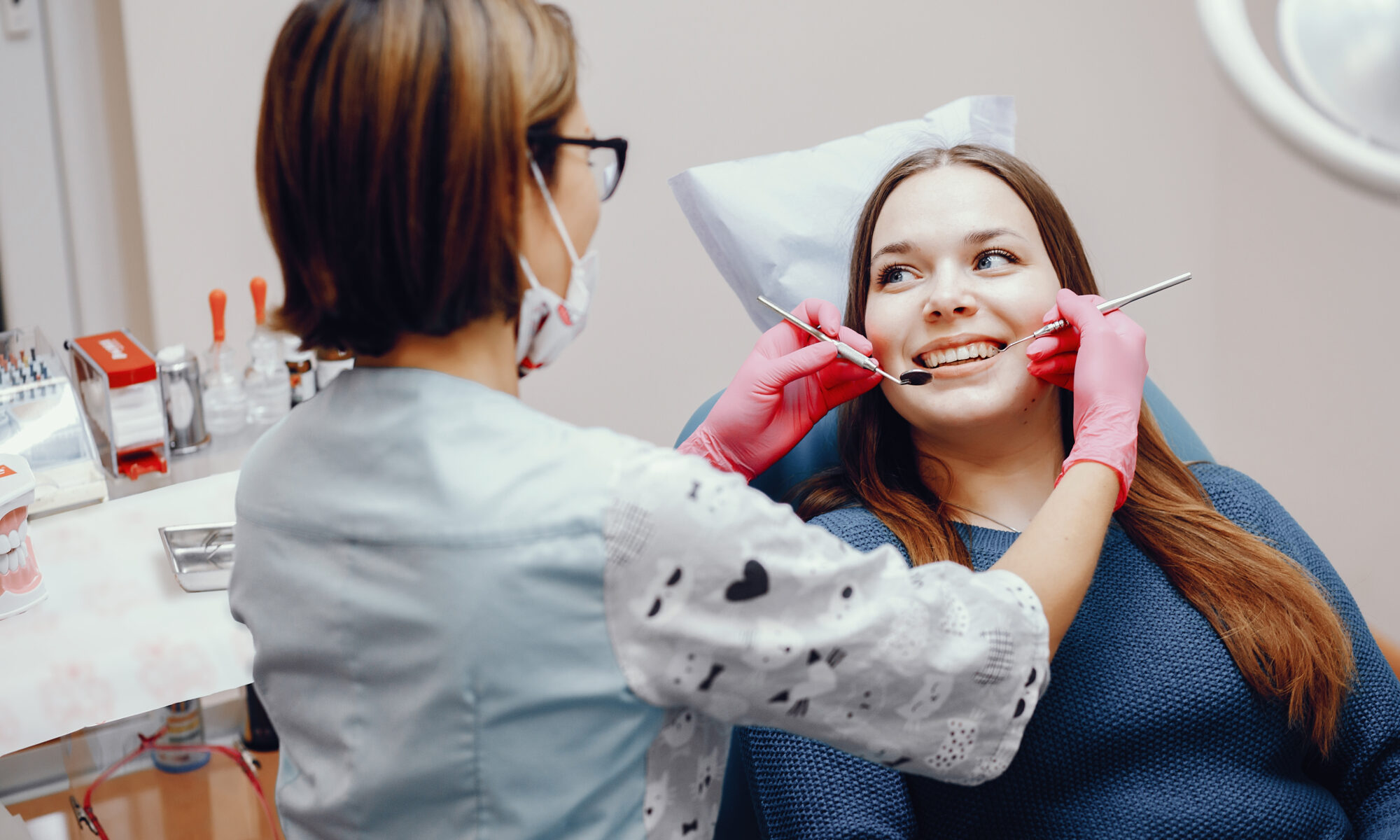
Many dental problems don’t start with pain. They begin quietly, often unnoticed, and slowly progress over time. For patients across Ottawa, it’s common to delay care because a concern feels minor or manageable. However, what starts as a small issue can quickly turn into a more complex problem if left untreated. We believe that understanding how dental issues progress empowers patients to protect their oral health and avoid unnecessary discomfort, stress, and cost.
Early attention is one of the most effective tools in dentistry. By recognizing warning signs and prioritizing preventive care, Ottawa patients can stop small problems before they become major ones.
Why Dental Issues Often Go Ignored
Many people delay dental care because symptoms don’t feel urgent. A slight sensitivity, a small chip, or occasional gum bleeding may seem harmless at first. Busy schedules, dental anxiety, or the belief that pain equals severity often contribute to postponing treatment.
Common reasons patients delay care include:
- No immediate pain
- Busy work or family schedules
- Fear or anxiety around dental visits
- Assuming the problem will resolve on its own
- Underestimating the impact of early symptoms
Unfortunately, teeth and gums rarely heal on their own. Most dental issues progress quietly until they reach a point where intervention becomes unavoidable.
The Hidden Nature of Early Dental Problems
One of the challenges of dental health is that early-stage problems are often invisible or painless. Decay, gum disease, and structural damage can develop below the surface long before discomfort appears.
For example:
- Cavities often begin beneath the enamel
- Gum disease can progress without pain
- Small cracks may not cause immediate sensitivity
- Infections can form deep within a tooth
By the time symptoms are noticeable, the issue may already require more involved treatment.
From Minor Sensitivity to Major Decay
Tooth sensitivity is one of the most commonly dismissed symptoms. Sensitivity to hot, cold, or sweets may seem temporary, but it often signals enamel erosion or early decay.
If untreated, sensitivity can progress to:
- Deep cavities
- Infection reaching the tooth nerve
- Swelling or abscess formation
- The need for root canal treatment or extraction
Early evaluation allows us to reinforce weakened enamel or address decay before it reaches deeper layers of the tooth.
Small Cavities Don’t Stay Small
A cavity begins when bacteria weaken tooth enamel. At this stage, treatment is often simple and conservative. However, decay doesn’t stop on its own.
As cavities grow, they can:
- Spread deeper into the tooth
- Compromise tooth strength
- Cause pain or pressure
- Lead to infection
Early treatment helps preserve natural tooth structure and prevents the need for more extensive procedures later.
Gum Bleeding Is an Early Warning Sign
Bleeding gums are often brushed off as a brushing issue or sensitivity. In reality, bleeding is one of the earliest signs of gum inflammation.
Without intervention, gum inflammation can progress to:
- Chronic gum disease
- Gum recession
- Bone loss around teeth
- Tooth mobility or loss
For Ottawa patients, regular hygiene visits and early gum care can prevent long-term damage that affects both oral and overall health.
Minor Chips and Cracks Can Weaken Teeth
A small chip or crack may not cause pain initially, but it can compromise the structural integrity of a tooth. Over time, chewing forces can cause cracks to spread.
This progression may lead to:
- Increased sensitivity
- Tooth fractures
- Infection of the inner tooth
- The need for crowns or extraction
Early restoration helps stabilize the tooth and prevent further damage.
Loose or Shifting Teeth Are Never Normal
Teeth should feel stable and secure. Any sensation of looseness or movement can indicate underlying issues such as gum disease, bone loss, or bite imbalance.
Ignoring these signs can result in:
- Progressive bone deterioration
- Loss of supporting structures
- Difficulty chewing
- Tooth loss
Early diagnosis allows us to address the cause before permanent damage occurs.
Jaw Discomfort and Bite Changes
Subtle changes in bite alignment or jaw comfort are often overlooked. Clicking, popping, or mild discomfort may seem harmless, but these signs can point to underlying stress or misalignment.
If untreated, bite issues can lead to:
- Tooth wear
- Jaw joint strain
- Headaches and facial discomfort
- Increased risk of fractures
Evaluating bite changes early helps protect both teeth and jaw health.
Old Restorations Can Fail Over Time
Fillings, crowns, and other restorations are durable, but they are not permanent. Over time, they can wear down, loosen, or develop gaps where bacteria can enter.
When aging restorations are ignored, problems may include:
- Hidden decay beneath restorations
- Cracked or fractured teeth
- Infection
- More complex replacement procedures
Routine exams allow us to monitor restorations and intervene before failure causes additional damage.
Why Pain Often Appears Late
Dental pain typically appears only after significant damage has occurred. Nerves inside the tooth are protected by enamel and dentin, which means decay can progress silently for months or years.
When pain finally occurs, it often indicates:
- Nerve involvement
- Infection
- Advanced decay
- Structural compromise
At this stage, treatment is usually more involved than it would have been earlier.
The Cost of Waiting
Delaying dental care often leads to higher costs over time. Early treatments are typically simpler, less invasive, and more affordable.
Waiting can result in:
- More complex procedures
- Longer recovery times
- Increased discomfort
- Higher financial investment
Preventive care is not only better for health but also more cost-effective.
How Preventive Dental Visits Protect Ottawa Patients
Routine exams and hygiene visits allow us to detect small issues early and monitor changes over time. Preventive care focuses on preservation rather than repair.
Benefits include:
- Early detection of decay and gum disease
- Monitoring bite and jaw alignment
- Identifying wear or cracks
- Maintaining healthy gums and bone
- Reducing emergency visits
For Ottawa families, preventive care supports long-term oral health and peace of mind.
Education Is Key to Prevention
Understanding what to watch for helps patients take action sooner. We encourage patients to contact us if they notice:
- Persistent sensitivity
- Bleeding gums
- Changes in bite or chewing comfort
- Cracks or chips
- Swelling or pressure
- Ongoing bad breath
Early conversations often prevent major problems.
Children and Small Dental Issues
In children, small issues can impact development. Early decay, bite problems, or habits can affect how permanent teeth emerge.
Addressing concerns early helps:
- Guide proper growth
- Prevent future orthodontic complications
- Support healthy habits
- Reduce anxiety around care
Early care sets the foundation for lifelong oral health.
Adults and Busy Lifestyles
Adults often delay care due to work and family responsibilities. However, small issues don’t pause for busy schedules.
Preventive visits help adults:
- Avoid painful emergencies
- Maintain function and comfort
- Protect long-term oral health
- Reduce time away from work or family
Consistency saves time and stress in the long run.
A Proactive Approach to Oral Health
We believe the best dental care is proactive, not reactive. Addressing small concerns early allows us to preserve natural teeth, reduce discomfort, and support overall wellness.
Our approach focuses on:
- Early detection
- Conservative treatment
- Patient education
- Long-term planning
This strategy helps Ottawa patients stay ahead of problems rather than responding to crises.
Why Ottawa Patients Benefit from Early Action
Ottawa patients who seek care early often experience:
- Shorter, simpler treatments
- Less discomfort
- Lower long-term costs
- Better oral health outcomes
- Greater confidence
Small actions taken early can have a significant impact on long-term health.
Protecting Your Smile Starts with Awareness
Small dental issues rarely stay small. Awareness, education, and early intervention are the keys to preventing them from becoming major problems.
For patients across Ottawa and surrounding communities, prioritizing preventive care is one of the most effective ways to protect oral health, comfort, and confidence.
We remain committed to helping patients recognize early signs, understand their options, and take proactive steps toward long-term wellness.