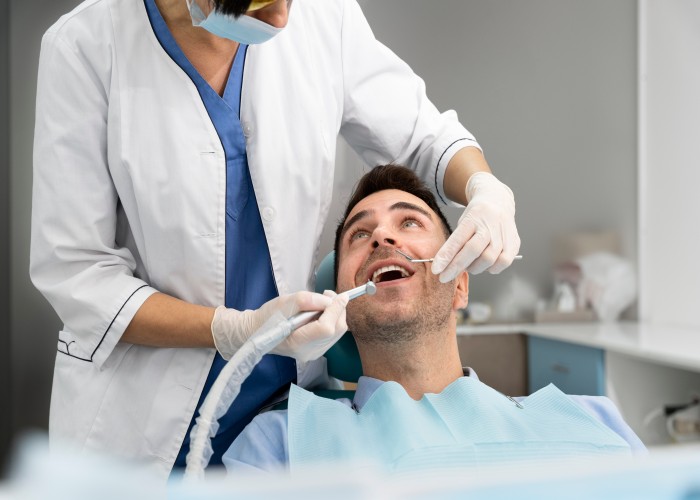
Dental emergencies can happen at any time, often without warning. Whether it is sudden tooth pain, an injury, or an infection, knowing how to respond quickly can make a significant difference in protecting your oral health. For individuals and families in Ottawa, understanding what qualifies as a dental emergency and how to handle it is essential.
This guide explains everything you need to know about emergency dental care, including common situations, immediate steps to take, and how to prevent future issues.
What Is a Dental Emergency
A dental emergency is any situation involving the teeth, gums, or mouth that requires immediate attention to relieve pain, stop bleeding, or save a tooth. Not all dental issues are emergencies, but certain conditions should never be ignored.
Common dental emergencies include:
- Severe or persistent tooth pain
- Knocked out or loose teeth
- Broken or chipped teeth
- Swelling in the gums or face
- Dental abscess or infection
- Uncontrolled bleeding
Recognizing these signs early can help you take the right action and prevent complications.
Severe Tooth Pain and What It Means
Tooth pain is one of the most common reasons people seek emergency dental care. While mild discomfort can sometimes wait, severe or sharp pain often indicates a deeper issue.
Possible causes include:
- Advanced tooth decay
- Infection or abscess
- Cracked or damaged tooth
- Gum disease
If the pain is intense, persistent, or accompanied by swelling or fever, it is important to seek immediate dental attention in Ottawa.
Knocked Out Tooth Immediate Action Matters
A knocked out tooth is one of the most urgent dental emergencies. Quick action can often save the tooth if handled properly.
If a tooth is knocked out:
- Pick it up by the crown, not the root
- Rinse it gently with clean water if dirty
- Try to place it back in the socket if possible
- If not, store it in milk or saliva
- Seek dental care immediately
Time is critical in these situations, and prompt treatment increases the chances of saving the tooth.
Broken or Chipped Teeth
A broken or chipped tooth may not always cause pain, but it still requires attention. Damage to the tooth can expose sensitive areas and increase the risk of infection.
If this happens:
- Rinse your mouth with warm water
- Save any broken pieces if possible
- Avoid chewing on the affected side
- Apply a cold compress to reduce swelling
Even minor damage should be evaluated by a dentist in Ottawa to prevent further complications.
Dental Abscess and Infections
A dental abscess is a serious infection that can develop around the root of a tooth or in the gums. It often presents as swelling, pain, or a visible pus filled area.
Symptoms may include:
- Severe, throbbing pain
- Swelling in the face or jaw
- Fever
- Bad taste in the mouth
This condition requires immediate treatment. If left untreated, the infection can spread and become more serious.
Bleeding That Does Not Stop
Bleeding in the mouth can occur due to injury, gum disease, or after a dental procedure. While minor bleeding is common, prolonged or heavy bleeding is a concern.
To manage bleeding:
- Apply gentle pressure with clean gauze
- Avoid rinsing excessively
- Keep your head elevated
If the bleeding does not stop within a short time, seek emergency dental care right away.
When to Go to the Emergency Room
Not all dental emergencies require a hospital visit, but certain situations do.
You should go to the emergency room if you experience:
- Severe swelling affecting breathing or swallowing
- High fever with dental pain
- Trauma involving the face or jaw
- Uncontrolled bleeding
In these cases, immediate medical attention is necessary before dental treatment can be provided.
What to Expect During an Emergency Dental Visit
Emergency dental appointments are focused on relieving pain and stabilizing the issue. The dentist will assess the situation and determine the best course of action.
During the visit, you can expect:
- A thorough examination of the affected area
- X rays if needed
- Immediate treatment to address pain or infection
- A plan for follow up care if required
The goal is to resolve the urgent problem and prevent further damage.
How to Prepare for a Dental Emergency
While emergencies are unpredictable, being prepared can help you respond quickly and effectively.
Helpful steps include:
- Keeping your dentist’s contact information accessible
- Having a small dental emergency kit with gauze and pain relief
- Knowing the location of nearby dental clinics in Ottawa
- Staying informed about basic first aid for dental issues
Preparation reduces stress and ensures that you can act quickly when needed.
Preventing Dental Emergencies
Many dental emergencies can be avoided with proper care and preventive measures.
To reduce your risk:
- Attend regular dental checkups
- Maintain good oral hygiene habits
- Avoid chewing hard objects like ice
- Wear a mouthguard during sports
- Address minor issues before they worsen
For residents in Ottawa, consistent preventive care is the best way to minimize the likelihood of emergencies.
Managing Pain Until You See a Dentist
If you cannot see a dentist immediately, there are ways to manage discomfort temporarily.
You can:
- Use over the counter pain relief as directed
- Apply a cold compress to reduce swelling
- Rinse with warm salt water
- Avoid very hot or cold foods
These measures provide temporary relief but should not replace professional treatment.
The Importance of Acting Quickly
One of the most critical aspects of emergency dental care is timing. Delaying treatment can lead to:
- Increased pain
- Spread of infection
- Permanent damage to teeth
- More complex and costly procedures
Seeking immediate care ensures better outcomes and faster recovery.
Supporting Long Term Oral Health After an Emergency
After the immediate issue is resolved, follow up care is essential. This may include additional treatments, monitoring, or changes in oral hygiene habits.
Long term care helps:
- Prevent recurrence of the issue
- Restore full function and comfort
- Maintain overall oral health
A consistent relationship with a dental provider in Ottawa ensures that future risks are minimized.
Final Thoughts on Emergency Dental Care in Ottawa
Dental emergencies can be stressful, but knowing how to respond makes a significant difference. From severe tooth pain and broken teeth to infections and injuries, prompt action is key to protecting your oral health.
For individuals and families in Ottawa, understanding the signs of a dental emergency and taking immediate steps ensures that problems are managed effectively. Combined with regular preventive care, this knowledge helps maintain a healthy and confident smile.
Being prepared, staying informed, and acting quickly are the best ways to handle any dental emergency with confidence.