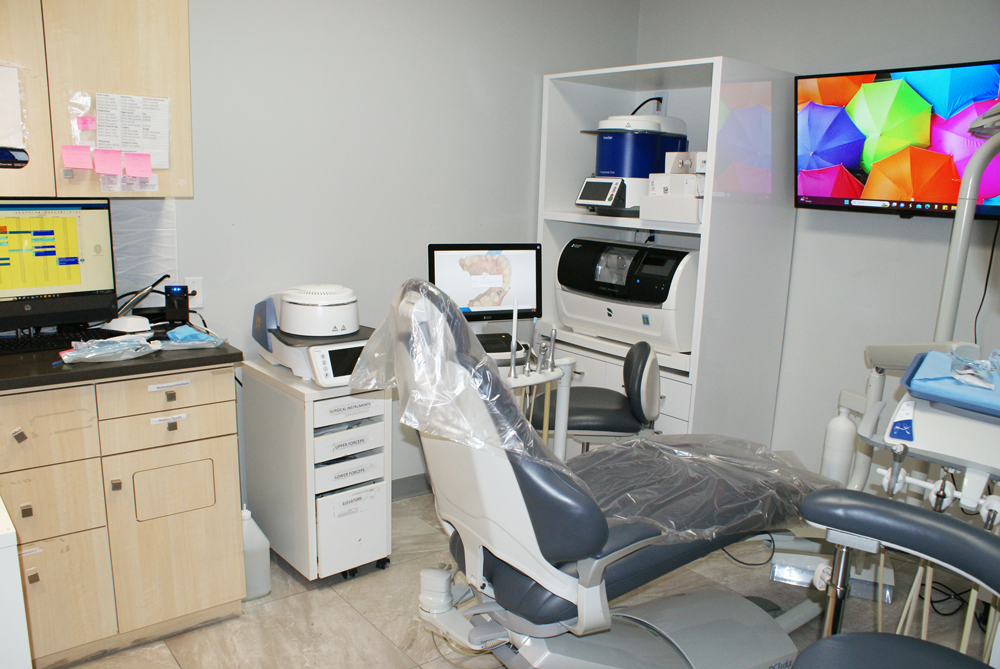
Dental care has evolved dramatically over the past few decades. Modern dental technology has transformed the patient experience, making treatments faster, more precise, and significantly more comfortable than in the past. Many people who once felt anxious about dental visits are often surprised to discover how gentle and efficient modern dentistry has become.
For patients in Orleans and Ottawa, advances in dental technology play a major role in improving comfort, reducing treatment time, and delivering better long-term results. From digital imaging to advanced restorative materials, today’s dental innovations allow professionals to diagnose problems earlier, plan treatments more accurately, and perform procedures with greater precision.
Understanding how these technologies work can help patients feel more confident about their dental care and appreciate the many ways modern dentistry supports a comfortable and positive experience.
The Evolution of Patient-Centered Dentistry
In the past, dental treatments were often associated with longer procedures, limited diagnostic tools, and less precise techniques. Today, modern dental clinics focus heavily on patient comfort and minimally invasive treatments.
Technological advancements allow dentists to:
• Detect issues earlier
• Perform treatments with greater precision
• Reduce discomfort during procedures
• Shorten recovery time
• Improve the overall patient experience
These improvements help ensure that dental care is not only effective but also as comfortable as possible for patients of all ages.
Digital X-Rays for Faster and Safer Diagnosis
One of the most significant technological advancements in dentistry is digital X-ray imaging.
Traditional film X-rays required longer processing times and exposed patients to higher levels of radiation. Digital X-rays, on the other hand, provide immediate images with significantly lower radiation exposure.
For patients in Orleans and Ottawa, digital X-rays offer several advantages:
• Faster imaging results
• Clearer and more detailed diagnostic images
• Reduced radiation exposure
• Immediate analysis during appointments
These high-resolution images allow dental professionals to detect cavities, infections, bone changes, and other conditions early, often before symptoms appear.
Early detection helps prevent small problems from becoming more complex issues.
Intraoral Cameras for Clear Visualization
Another important innovation improving patient comfort and understanding is the use of intraoral cameras.
These small, high-definition cameras allow dentists to capture detailed images of the inside of the mouth. The images can be displayed on a screen, allowing patients to see exactly what the dentist sees.
This technology helps patients better understand:
• Areas of tooth decay
• Cracks or wear in teeth
• Gum inflammation
• Existing dental restorations
Seeing real-time images helps patients feel more informed about their treatment and increases confidence in the care they receive.
3D Imaging for Precise Treatment Planning
Three-dimensional imaging technology has greatly improved the accuracy of dental diagnostics and treatment planning.
3D scans provide highly detailed views of teeth, bone structures, nerves, and surrounding tissues. This allows dentists to carefully evaluate each patient’s unique anatomy before performing procedures.
This technology is particularly helpful for:
• Dental implant planning
• Orthodontic evaluations
• Complex extractions
• Bone grafting procedures
For patients in Ottawa and Orleans, 3D imaging enhances safety, precision, and comfort by allowing treatments to be carefully planned before they begin.
Advanced Materials for Natural-Looking Restorations
Modern dentistry also benefits from improved restorative materials that are both durable and aesthetically pleasing.
In the past, dental restorations were often noticeable due to metal components. Today, tooth-colored materials allow restorations to blend naturally with surrounding teeth.
Examples include:
• Composite fillings
• Ceramic crowns
• Porcelain veneers
• Advanced bonding materials
These materials are designed to closely match natural tooth color, creating a more seamless appearance while maintaining strength and longevity.
Patients can restore damaged teeth without compromising the appearance of their smiles.
Improved Comfort During Dental Procedures
Modern dental technology has also improved how procedures are performed, reducing discomfort and anxiety for patients.
Many treatments now involve minimally invasive techniques that preserve more of the natural tooth structure.
Advances in dental equipment allow for:
• More precise drilling
• Reduced pressure during procedures
• Faster treatment times
• Improved anesthesia delivery
These improvements help ensure that patients experience minimal discomfort during dental visits.
Faster and More Efficient Appointments
Modern technology also helps streamline many dental procedures, allowing treatments to be completed more efficiently.
Digital tools enable dentists to:
• Diagnose issues quickly
• Plan treatments more accurately
• Reduce the need for multiple visits
For busy families in Orleans and Ottawa, these time-saving benefits make it easier to maintain regular dental care without major disruptions to daily schedules.
Efficient treatment also reduces the amount of time patients spend in the dental chair.
Better Monitoring of Oral Health
Technology also improves how dentists monitor oral health over time.
Digital records and imaging allow professionals to track changes in a patient’s oral condition across multiple visits.
This helps identify trends such as:
• Slow-developing cavities
• Gum recession
• Bite alignment changes
• Wear patterns on teeth
By comparing images and records from previous visits, dentists can detect small changes that might otherwise go unnoticed.
Early detection allows for simpler and more conservative treatments.
Reduced Anxiety Through Improved Patient Communication
Dental anxiety is a common concern for many patients. Modern technology helps reduce anxiety by improving communication and transparency during dental visits.
When patients can see clear images of their teeth, understand their diagnosis, and learn how treatments will work, they often feel more comfortable and confident.
Dentists can use digital visuals and scans to explain:
• What the problem is
• Why treatment is needed
• How the procedure will help
This collaborative approach helps patients feel more involved in their dental care decisions.
Supporting Preventive Dental Care
Modern technology also supports preventive dentistry by helping detect early signs of oral health issues.
Early diagnosis allows dentists to address concerns before they develop into more serious problems.
Preventive technology may help identify:
• Early enamel weakening
• Small areas of decay
• Gum inflammation
• Bite changes
Preventive care helps patients avoid complex procedures and maintain healthier smiles.
Improving Long-Term Treatment Results
Advanced dental technology does more than improve comfort during treatment. It also contributes to better long-term outcomes.
Precision diagnostics and treatment planning help ensure that dental procedures are performed with greater accuracy.
This can lead to:
• Longer-lasting restorations
• Better bite alignment
• Improved gum health
• Greater stability for dental implants
For patients in Ottawa and Orleans, these long-term benefits support lasting oral health and improved overall dental function.
A More Comfortable Future for Dental Care
Modern dental technology continues to transform the way dental care is delivered. From digital imaging and advanced materials to improved diagnostic tools, these innovations help ensure that treatments are more comfortable, efficient, and precise.
For families and individuals in Orleans and Ottawa, modern dentistry provides a patient-focused approach that prioritizes both comfort and quality care.
By combining professional expertise with advanced technology, dental clinics are able to provide a more positive experience while maintaining the highest standards of oral health.
Modern dental care is designed to support healthier smiles with greater comfort, helping patients feel confident and relaxed during every visit.