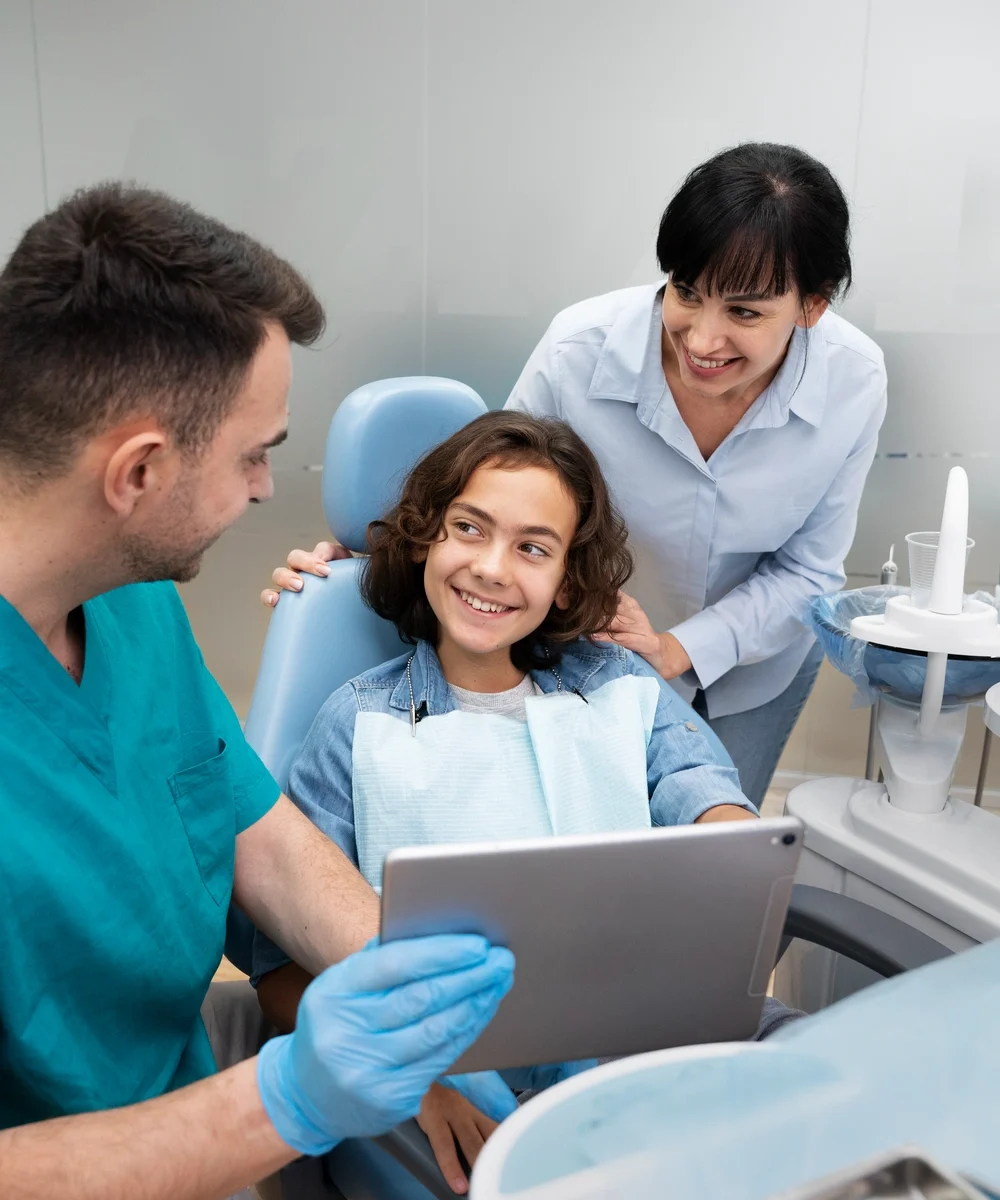
Children’s oral development plays a crucial role in their long term dental health. As teeth and jaws grow, small changes in alignment or spacing can influence how the smile develops over time. Early orthodontic evaluations help identify these changes before they turn into more complex problems. For families in Ottawa and Gloucester, early orthodontic assessments can guide healthy dental development and support confident smiles as children grow.
Orthodontic care is not only about straight teeth. It also focuses on jaw growth, bite alignment, and ensuring there is enough space for permanent teeth to emerge properly. When orthodontic concerns are recognized early, dental professionals can monitor development and recommend appropriate guidance to support healthy growth.
Understanding the benefits of early orthodontic evaluations can help parents make informed decisions that protect their children’s oral health.
What Is an Early Orthodontic Evaluation?
An early orthodontic evaluation is a professional assessment of a child’s teeth, jaw development, and bite alignment. These evaluations are usually recommended during the early school years when both baby teeth and permanent teeth are present.
During this evaluation, dental professionals examine several factors including:
• The position of the teeth
• Jaw growth patterns
• Bite alignment
• Spacing between teeth
• Habits that may affect dental development
The goal of an early orthodontic evaluation is not always to begin treatment immediately. In many cases, the purpose is simply to monitor development and identify potential concerns before they worsen.
Why Timing Matters in Orthodontic Care
Children’s jaws and facial structures are still developing during their early years. Because the bones are more flexible, it is often easier to guide proper alignment at this stage.
When orthodontic concerns are identified early, dental professionals may recommend gentle interventions that help guide the growth of the teeth and jaws.
Early evaluations can help address issues such as:
• Crowding of teeth
• Improper bite alignment
• Jaw growth differences
• Spacing problems
• Habits that affect dental development
Addressing these concerns early can reduce the likelihood of more complicated treatments later.
Detecting Alignment Problems Early
One of the most important benefits of early orthodontic evaluations is the ability to detect alignment problems before they become severe.
Common orthodontic concerns in children include:
• Overcrowded teeth
• Large gaps between teeth
• Overbites
• Underbites
• Crossbites
If these issues are not monitored, they may become more difficult to correct as the child grows.
Early detection allows dental professionals to track how the teeth and jaw are developing and determine whether guidance is needed.
Supporting Proper Jaw Development
The alignment of the jaw plays a major role in oral health. When the upper and lower jaws do not develop properly, it can affect how teeth fit together during biting and chewing.
Early orthodontic evaluations help identify jaw growth differences that may lead to bite problems.
Proper jaw development supports:
• Comfortable chewing
• Balanced facial structure
• Healthy tooth alignment
• Reduced strain on jaw joints
Monitoring jaw development early helps ensure that any concerns are addressed at the right time.
Creating Space for Permanent Teeth
As children grow, baby teeth gradually fall out and permanent teeth begin to emerge. Sometimes there may not be enough space for these new teeth to come in properly.
When space is limited, permanent teeth may erupt in crowded or misaligned positions.
Early orthodontic evaluations help identify spacing issues and monitor how the permanent teeth are developing.
In some cases, guidance techniques can help create room for incoming teeth, reducing the risk of severe crowding later.
Preventing Future Orthodontic Complications
Orthodontic issues often become more noticeable during adolescence. However, many of these problems begin developing much earlier.
By identifying potential concerns during childhood, dental professionals can monitor growth and intervene when necessary.
Early monitoring may help prevent:
• Severe crowding
• Impacted teeth
• Complex bite problems
• Lengthy orthodontic treatments later in life
While not every child requires early orthodontic treatment, evaluations help ensure that concerns are identified at the right time.
Addressing Oral Habits That Affect Teeth
Certain childhood habits can influence how teeth and jaws develop.
Common habits that may affect dental alignment include:
• Prolonged thumb sucking
• Tongue thrusting
• Mouth breathing
• Extended pacifier use
When these habits continue beyond early childhood, they can place pressure on developing teeth and alter jaw growth patterns.
Early orthodontic evaluations help identify these habits and provide guidance on how to reduce their impact on dental development.
Improving Speech and Chewing Function
Teeth and jaw alignment play an important role in speech development and chewing ability.
When bite alignment is irregular, it can sometimes affect how children pronounce certain sounds or how effectively they chew food.
Monitoring dental development early allows professionals to identify whether alignment issues may be contributing to speech or chewing challenges.
Addressing these concerns early supports both oral health and daily comfort.
Boosting Children’s Confidence
A child’s smile can influence how they feel about themselves, especially as they grow older and become more aware of their appearance.
Misaligned teeth or bite issues may cause children to feel self conscious about smiling or speaking in social settings.
Early orthodontic evaluations allow families to understand their child’s dental development and explore options that may help improve alignment over time.
Knowing that their smile is developing properly can help children feel more confident as they grow.
Monitoring Dental Development Over Time
Not every child who receives an early orthodontic evaluation will need immediate treatment. In many cases, dental professionals simply monitor development during regular visits.
These monitoring appointments allow professionals to observe how teeth and jaws are changing as permanent teeth emerge.
If changes occur that require attention, treatment can be recommended at the most appropriate stage of development.
This approach ensures that orthodontic care is provided at the right time for the best possible results.
Supporting Long Term Oral Health
Properly aligned teeth are easier to clean and maintain. When teeth are crowded or overlapping, it can be difficult to remove plaque effectively.
This may increase the risk of:
• Tooth decay
• Gum inflammation
• Uneven tooth wear
By helping guide proper alignment during childhood, orthodontic evaluations contribute to healthier teeth and gums over the long term.
Good alignment supports better oral hygiene and reduces the likelihood of future dental complications.
A Preventive Approach to Orthodontic Care
Early orthodontic evaluations are part of a preventive approach to dental health. Instead of waiting for problems to become severe, dental professionals monitor development and guide growth when necessary.
For families in Ottawa and Gloucester, this proactive approach helps ensure that children’s smiles develop in a healthy and balanced way.
Preventive orthodontic care focuses on:
• Monitoring growth patterns
• Identifying alignment concerns early
• Supporting proper jaw development
• Reducing the risk of complex treatments later
These benefits contribute to stronger oral health throughout childhood and adolescence.
Helping Children Grow with Healthy Smiles
Children’s smiles change rapidly as they grow. Early orthodontic evaluations provide valuable insight into how teeth and jaws are developing during these important stages.
For families in Ottawa and Gloucester, these evaluations offer reassurance that their child’s dental development is being monitored carefully. By identifying potential concerns early, dental professionals can guide growth in a way that supports healthy alignment, comfortable function, and confident smiles.
Healthy dental development begins with early attention and preventive care. With proper monitoring and guidance, children can grow into adulthood with strong teeth, balanced bites, and healthy, confident smiles that last a lifetime.