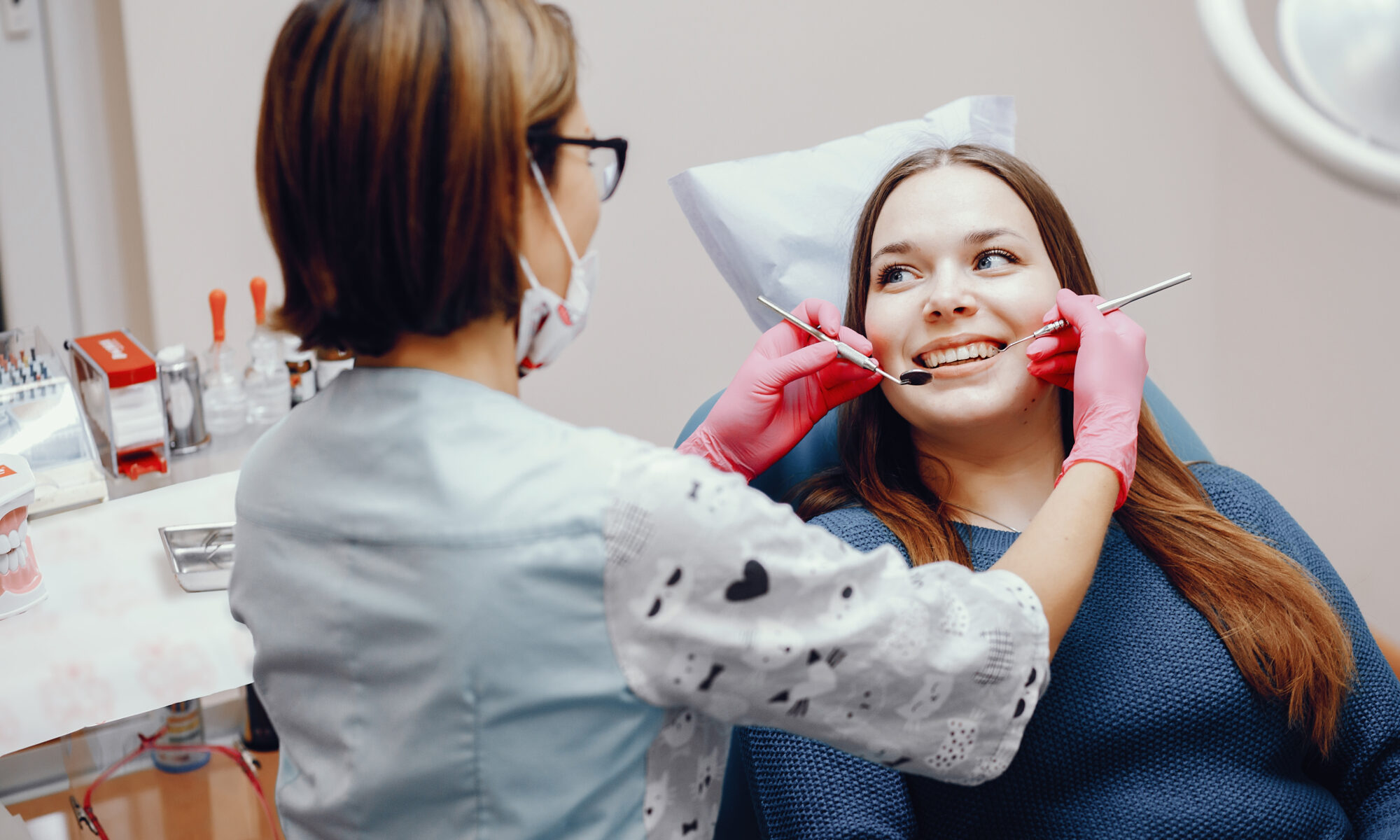
Oral health is an essential part of overall wellness, yet many families underestimate how important preventive dental care truly is. While dental treatments have become more advanced and effective over the years, the best approach to maintaining a healthy smile is still prevention. Regular checkups, cleanings, and early monitoring can stop minor concerns from turning into serious and expensive dental problems.
For families in Ottawa and Orleans, preventive dental care plays a vital role in protecting long-term oral health while also reducing the likelihood of complex treatments. From children developing their first teeth to adults maintaining lifelong dental health, preventive dentistry helps ensure that small issues are addressed early, keeping smiles healthy and treatment costs manageable.
Understanding how preventive dental care works and why it matters can help families make better decisions about their oral health and protect themselves from avoidable dental complications.
Understanding Preventive Dental Care
Preventive dental care focuses on maintaining healthy teeth and gums before problems develop. Instead of waiting for pain, damage, or infection to occur, preventive dentistry aims to identify potential concerns early and address them before they progress.
Preventive care typically includes:
• Routine dental exams
• Professional dental cleanings
• Digital X-rays and diagnostic imaging
• Fluoride treatments when necessary
• Oral hygiene guidance
• Monitoring of tooth and jaw development
These regular evaluations allow dental professionals to assess oral health, detect early signs of decay or gum disease, and provide personalized recommendations for maintaining strong teeth and healthy gums.
For families in Ottawa and Orleans, preventive care forms the foundation of long-term dental health.
Why Prevention Is the Most Cost-Effective Approach
Dental problems rarely appear overnight. Most oral health issues develop gradually, often starting with minor changes that can easily go unnoticed without professional evaluation.
For example, a small cavity may begin as a tiny area of enamel weakening. If identified early, it can often be treated with a simple filling. However, if left untreated, that same cavity can spread deeper into the tooth, eventually reaching the nerve and requiring more extensive treatment such as root canal therapy or a dental crown.
Preventive care reduces the likelihood of these situations by identifying concerns early, when they are easier and more affordable to treat.
Early detection often prevents:
• Extensive restorative procedures
• Emergency dental visits
• Tooth loss
• Advanced gum disease
• Complex surgical treatments
This proactive approach protects both oral health and family budgets.
The Role of Routine Dental Exams
Regular dental exams are one of the most important parts of preventive dentistry. During these visits, dentists examine the teeth, gums, and surrounding structures to ensure everything is functioning properly.
Routine exams help detect issues such as:
• Early tooth decay
• Gum inflammation
• Signs of gum disease
• Bite alignment problems
• Cracked or weakened teeth
• Oral infections
• Abnormal tissue changes
Many dental conditions develop silently, without pain or visible symptoms in the early stages. Regular exams allow dental professionals to identify these hidden issues and address them before they become serious.
For families in Ottawa and Orleans, maintaining consistent dental checkups ensures that small concerns are addressed early, reducing the need for complicated procedures later.
Professional Cleanings Prevent Gum Disease
While daily brushing and flossing are essential, professional dental cleanings remove plaque and tartar that cannot be eliminated with home care alone.
Plaque is a sticky film of bacteria that forms on teeth throughout the day. If not removed regularly, plaque hardens into tartar, which can only be removed during professional cleanings.
When plaque and tartar accumulate along the gum line, they can lead to gum disease.
Early gum disease, known as gingivitis, causes symptoms such as:
• Bleeding gums
• Gum redness
• Swelling
• Persistent bad breath
If gingivitis is not treated, it can progress to periodontitis, a more serious condition that damages the supporting structures of the teeth.
Professional cleanings help prevent this progression by removing harmful buildup and keeping gums healthy.
Protecting Children’s Smiles Through Early Prevention
Preventive dental care is especially important for children as their teeth and jaws continue to develop.
Early dental visits allow dentists to monitor:
• Tooth eruption patterns
• Jaw development
• Bite alignment
• Habits such as thumb sucking
• Oral hygiene habits
When potential issues are identified early, gentle guidance and early interventions can help ensure proper dental development.
Children who receive consistent preventive dental care are also more likely to develop positive attitudes toward dental visits. This early familiarity helps reduce dental anxiety and encourages lifelong oral health habits.
Families in Ottawa and Orleans benefit greatly from early preventive care because it helps set children on the path toward strong and healthy smiles.
Preventing Tooth Decay Before It Starts
Tooth decay remains one of the most common dental concerns worldwide. Fortunately, it is also highly preventable with proper care and monitoring.
Preventive strategies for reducing cavities include:
• Professional cleanings
• Fluoride treatments
• Sealants for vulnerable teeth
• Dietary guidance
• Oral hygiene education
Dental sealants are particularly beneficial for children and teenagers. These protective coatings are applied to the chewing surfaces of molars, where cavities commonly develop. Sealants help prevent bacteria and food particles from becoming trapped in the grooves of teeth.
Combined with regular dental visits, these preventive measures significantly reduce the risk of tooth decay.
Monitoring Bite Alignment and Jaw Development
Preventive dental care also involves evaluating how the teeth fit together when biting and chewing.
Misalignment issues such as crowding, spacing, or bite irregularities can gradually affect oral health. When left unaddressed, these concerns may lead to:
• Uneven tooth wear
• Jaw discomfort
• Difficulty cleaning teeth properly
• Increased risk of cavities or gum disease
Routine dental exams allow dentists to monitor bite alignment and recommend early orthodontic evaluations if necessary.
Early guidance can help families avoid more complex orthodontic treatments later in life.
The Connection Between Oral Health and Overall Health
Preventive dental care does more than protect teeth. Research continues to show strong links between oral health and overall health.
Poor oral health has been associated with several systemic conditions, including:
• Heart disease
• Diabetes complications
• Respiratory infections
• Inflammatory conditions
Inflammation in the gums can allow harmful bacteria to enter the bloodstream, potentially affecting other parts of the body.
By maintaining healthy gums and teeth through preventive care, families in Ottawa and Orleans can support their overall wellness and reduce the risk of broader health concerns.
Avoiding Dental Emergencies Through Prevention
Dental emergencies often occur when small problems are ignored or allowed to worsen over time.
For example:
• Untreated cavities can lead to severe tooth pain
• Gum infections can develop into abscesses
• Cracked teeth can worsen and require extraction
Preventive care significantly reduces the risk of these emergencies by addressing concerns early.
Regular dental visits allow dentists to reinforce weak teeth, repair minor damage, and monitor any developing issues before they escalate.
This proactive approach helps families avoid unexpected dental pain and urgent treatments.
Building Lifelong Oral Hygiene Habits
Preventive dentistry also focuses on education. During routine visits, dental professionals provide personalized advice on maintaining oral health at home.
This guidance may include:
• Proper brushing techniques
• Effective flossing habits
• Recommendations for oral care products
• Dietary advice for protecting teeth
For children and teenagers, learning these habits early helps build a foundation for lifelong dental health.
Parents also benefit from professional guidance, ensuring that the entire family maintains strong oral hygiene practices.
Preventive Dentistry Saves Time and Stress
In addition to protecting oral health and reducing costs, preventive care also helps families avoid the stress associated with complex dental treatments.
Advanced dental procedures often require multiple appointments, recovery time, and careful monitoring.
Preventive care, on the other hand, focuses on simple and routine visits that maintain dental health without disrupting daily life.
By committing to regular dental checkups and cleanings, families in Ottawa and Orleans can maintain healthy smiles with minimal inconvenience.
Creating a Long-Term Dental Care Plan
Every patient has unique oral health needs. Preventive dentistry works best when care is tailored to each individual.
Dentists consider factors such as:
• Age
• Oral health history
• Lifestyle habits
• Risk of cavities or gum disease
Based on these factors, personalized preventive plans are created to help patients maintain healthy smiles for years to come.
These plans ensure that each patient receives the appropriate level of monitoring and care.
A Healthier Future Through Preventive Care
Preventive dental care is one of the most effective ways to protect long-term oral health while avoiding costly treatments. By focusing on early detection, regular cleanings, and personalized care, families can maintain healthy smiles and reduce the likelihood of complex dental procedures.
For families in Ottawa and Orleans, consistent preventive dental care provides peace of mind, knowing that their oral health is being carefully monitored and protected.
Healthy smiles begin with proactive care, and routine dental visits are the key to ensuring strong teeth, healthy gums, and confident smiles for every member of the family.
Preventive dentistry does more than maintain oral health — it creates a lasting foundation for lifelong wellness.