 Orleans: (613) 830-3300
 Mon-Sat 9:00am – 6:00pm


Dental Crowns In Ottawa
Need to Protect a Tooth Before It Gets Worse?
A cracked tooth you’ve been putting off. A root canal that needs covering. A weakened molar that just isn’t holding up anymore. Dental crowns, also called caps, are one of the most reliable ways to restore a damaged tooth, protect it from further harm, and get your bite feeling normal again. At Inova Dental, we offer a range of crown options in Ottawa to suit your needs, your budget, and the location of the tooth being treated.
What Is a Dental Crown?
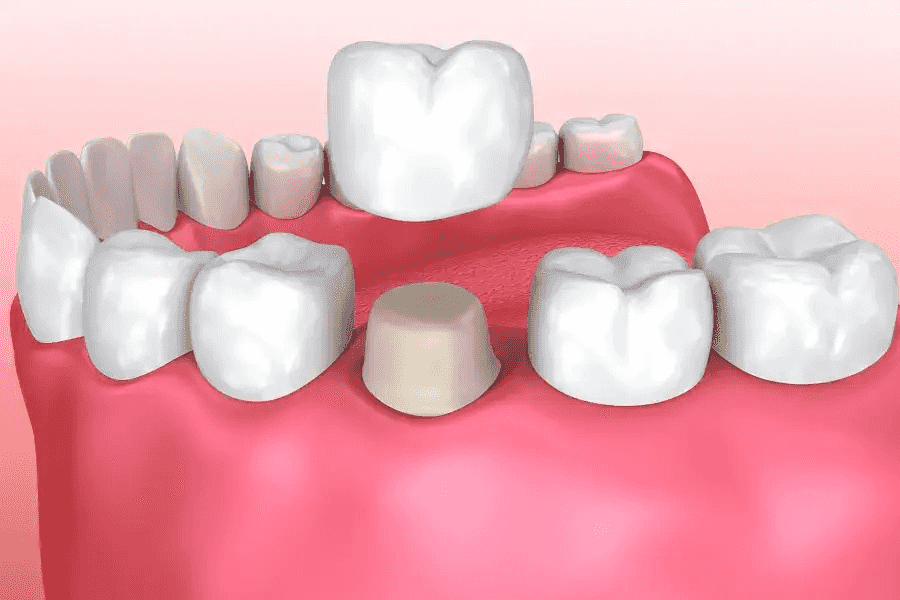
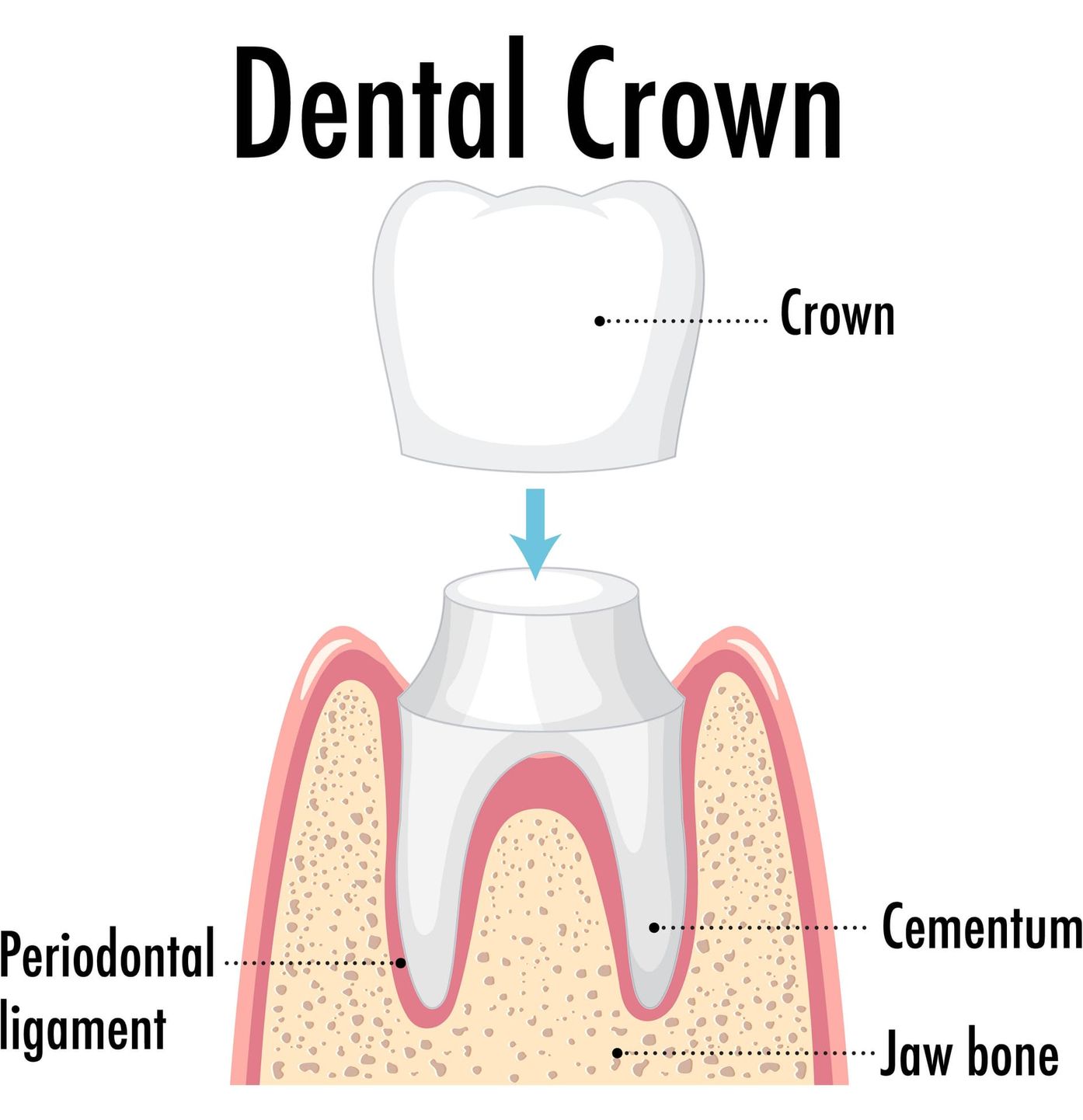
A dental crown is a hollow, custom-made cap that fits over the entire surface of a damaged or weakened tooth, restoring its shape, size, strength, and appearance. Unlike veneers, which cover only the front surface, a crown encases the whole tooth down to the gumline, making it the go-to solution for more significant damage or decay.
Crowns are one of the most versatile restorations in dentistry. They can protect a tooth after a root canal, anchor a dental bridge, cover a dental implant, or simply restore a tooth that has broken down over time. A tooth restored with a crown looks and functions very much like a natural tooth.
When Do You Need a Dental Crown?
Your dentist may recommend a crown if you have:
- A cracked, fractured, or severely worn-down tooth
- A severely decayed tooth that a filling can no longer repair
- A tooth that has just had root canal therapy
- A large existing filling that needs additional support
- A dental implant that needs a visible tooth placed on top
- A tooth that needs to anchor a dental bridge
- A misshapen or severely discoloured tooth
- An existing crown that needs replacing
Not sure if you need a crown or something else? We’ll always explain exactly what’s going on and why, so you leave feeling informed rather than pressured into a decision.
Types of Dental Crowns
Porcelain Crowns
All-porcelain crowns offer the most natural appearance and the closest colour match of any crown type, making them the most popular choice for front teeth. They contain no metal, making them a great option for patients with metal sensitivities or allergies. Keep in mind that porcelain crowns are more brittle than metal-based options and are generally not recommended for back teeth where chewing pressure is highest.
Pressed Ceramic Crowns
Pressed ceramic crowns have a hard inner core made from ceramic that has been melted and pressed at a very high temperature, with a porcelain top layer for a natural colour match. They are more durable than all-porcelain crowns while still offering excellent aesthetics.
Zirconia Crowns
Zirconia combines the strength of metal with the natural appearance of porcelain, making it suitable for both front and back teeth. Zirconia crowns are highly resistant to chipping and can last 15 years or longer with proper care, making them one of the most popular crown choices today.
Porcelain-Fused-to-Metal (PFM) Crowns
PFM crowns have a metal core for strength with a porcelain exterior for a natural look. They are stronger and less prone to chipping than all-porcelain crowns and work well for both front and back teeth. A thin dark line near the gumline can sometimes become visible over time if gums recede, as the metal beneath shows through. This is a normal characteristic of PFM crowns, not a sign of failure.
Metal Crowns
Gold and metal alloy crowns, which can be made from gold, nickel, palladium, or chromium, are the strongest and most long-lasting option available. They require the least removal of natural tooth structure, rarely chip or break, and tend not to wear down the opposing natural teeth. Their metallic appearance makes them best suited for out-of-sight molars where durability matters most.
All-Resin Crowns
Resin crowns are generally the most affordable option. However, they tend to wear down more quickly over time and are more prone to breaking than crowns with a metal core. They are typically used as a shorter-term solution.
Onlays and Three-Quarter Crowns
Not every situation calls for a full crown. Onlays and three-quarter crowns cover less of the tooth than a traditional crown and are used when enough healthy tooth structure remains. They offer a more conservative approach, removing only the affected area while preserving more of your natural tooth.
During your consultation, we’ll walk you through each option honestly and help you choose the best fit based on the tooth’s location, your bite, and your budget.
The Crown Process at Inova Dental
Consultation and X-Rays
We start by taking X-rays to assess the health of the tooth and the surrounding bone structure. This helps us confirm that a crown is the right treatment and identify whether any additional work, such as root canal therapy or gum treatment, is needed beforehand. Some cases may require more than two visits depending on the complexity involved.
Tooth Preparation
The tooth is shaped and a small amount of enamel is filed away to make room for the crown. Local anesthetic is used throughout so you stay comfortable. Two sets of impressions are taken: one of the filed-down tooth to create your final custom crown, and one of the tooth before filing, which is used to make your temporary crown.
Temporary Crown
A temporary crown is placed to protect the tooth while your permanent crown is being crafted in the dental lab. Keep in mind that a temporary crown may not match the exact shape or colour of your final crown. It is simply there to keep the tooth protected in the meantime.
Permanent Crown Placement
Once your permanent crown is ready, we remove the temporary, check the fit, shape, colour, and bite, and cement the final crown into place. It is then polished so it looks completely natural. Any final adjustments are made to ensure everything feels comfortable.
Possible Issues to Be Aware Of
Sensitivity After Placement
Some mild sensitivity is normal as the anesthetic wears off after your procedure. Using a toothpaste for sensitive teeth can help. If you experience sensitivity specifically when biting down, the crown may be sitting slightly too high and a quick adjustment at the clinic will resolve this.
Loose Crown
Over time, the cement holding a crown in place can wash out, causing the crown to loosen. This can allow bacteria to cause decay under the crown. If you notice your crown feels loose, contact us as soon as possible.
Chipped Crown
Porcelain and ceramic crowns can chip if subjected to very hard foods. Small chips can often be repaired without removing the crown entirely. Larger chips or multiple chips may require a full replacement.
Crown Falls Off
Crowns can occasionally fall off, usually due to weakened cement or an improper fit. If this happens, contact us right away. Depending on the condition of the crown and the tooth underneath, we may be able to re-cement the existing crown or will arrange a replacement.
Allergic Reaction
Allergic reactions to crown materials are extremely rare but can occur, particularly with metal alloys. If you have known metal or material sensitivities, let us know during your consultation so we can recommend the most suitable option for you.
How Much Do Dental Crowns Cost in Ottawa?
In Ontario, dental crowns typically range from $900 to $1,500 per tooth, in line with the provincial dental association fee guide. The final cost depends on the material chosen, the complexity of the case, and whether any additional procedures such as a root canal or tooth buildup are needed beforehand.
It’s worth noting that dental crowns are partially covered under many insurance plans as they are considered a restorative procedure. However, crowns are not covered under the Canadian Dental Care Plan (CDCP). We know cost is a real factor in this decision. That’s why we walk you through pricing transparently during your consultation, with no surprises and no hidden fees. We also offer direct billing to most major insurance providers and can help you explore financing options if needed.
Why Choose Inova Dental for Crowns in Ottawa?
- Honest Recommendations: We only recommend a crown when it’s genuinely the best option for your tooth. If a filling, onlay, or alternative treatment can do the job, we’ll tell you.
- Modern Technology: Digital impressions and precise colour matching mean your crown fits well and looks natural from day one.
- Multilingual Team: Our staff speaks English, French, and Arabic, so nothing gets lost in translation.
- Two Convenient Ottawa Locations: Visit us on Innes Road or Bank Street, with flexible hours Monday through Saturday.
Dental Crowns FAQs
How long do dental crowns last?
With proper care, most crowns last between 10 and 15 years. Zirconia and metal crowns can last significantly longer. Regular checkups, good oral hygiene, and avoiding habits like grinding or chewing ice will extend the life of your crown considerably.
Does getting a crown hurt?
The procedure is done under local anesthetic, so you should feel little to no discomfort during the appointment. Some mild sensitivity around the tooth is normal for a few days after placement and typically settles on its own.
Does a crowned tooth need special care?
Not really. Brush and floss as normal, attend your regular cleanings, and avoid biting down on very hard foods like ice or hard candy. Treating the crowned tooth the same as your natural teeth is the best way to keep it in good shape for as long as possible.
Crown vs. filling: which do I need?
A filling is used when damage or decay is limited and enough healthy tooth structure remains. A crown is needed when the damage is more extensive and a filling would not provide adequate support or protection. Your dentist will always recommend the most conservative option that still does the job properly.
Crown vs. veneer: what is the difference?
A veneer covers only the front surface of a tooth and is primarily cosmetic. A crown covers the entire tooth and is used when there is structural damage or significant decay. If your tooth is healthy but you want to improve its appearance, a veneer may be the better fit. If the tooth is damaged or weakened, a crown is the right call.
Are crowns covered by insurance?
Most dental insurance plans cover a portion of crown costs as they are considered a restorative procedure. Coverage varies by plan, so we recommend checking your specific benefits. Our team offers direct billing and will help you make the most of your coverage.
What is the difference between a crown and a dental bridge?
A crown restores a single existing tooth by capping it. A dental bridge uses crowns on the teeth on either side of a gap to anchor an artificial tooth in place, replacing a missing tooth altogether. If you have missing teeth, ask us about our dental bridge options.
Ready to Restore Your Smile?
Whether you’re dealing with a cracked tooth, recovering from a root canal, or replacing an old crown that’s seen better days, our team at Inova Dental is here to help. We’re welcoming new patients at both of our Ottawa locations.
Looks like you’ve found your dental home. We look forward to seeing you soon!
Schedule My Visit