 Orleans: (613) 830-3300
 Mon-Sat 9:00am – 6:00pm


Dental Implants In Ottawa
The Closest Thing to a Real Tooth
Dental implants are the gold standard for replacing missing teeth. Unlike dentures or bridges, implants replace the root of the tooth as well as the visible crown, creating a permanent, stable restoration that looks, feels, and functions like a natural tooth. At Inova Dental, we offer single tooth implants, multiple tooth implants, teeth-in-a-day, and implant-supported dentures at both of our Ottawa locations.
What Is a Dental Implant?
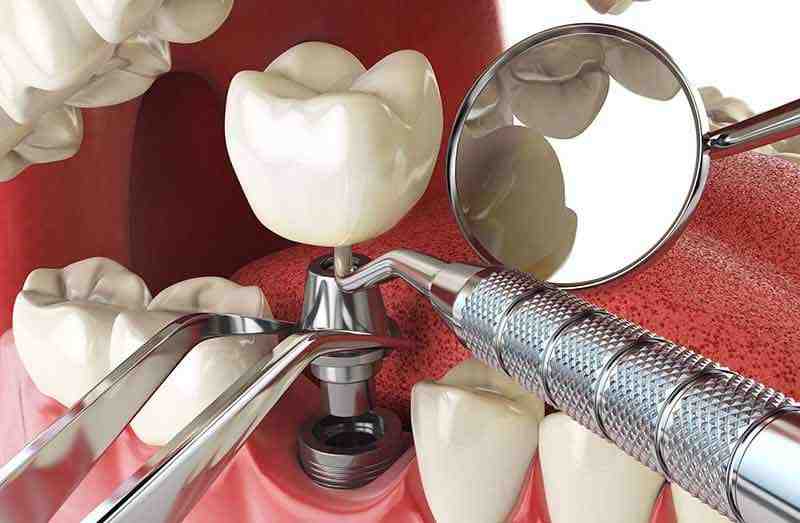
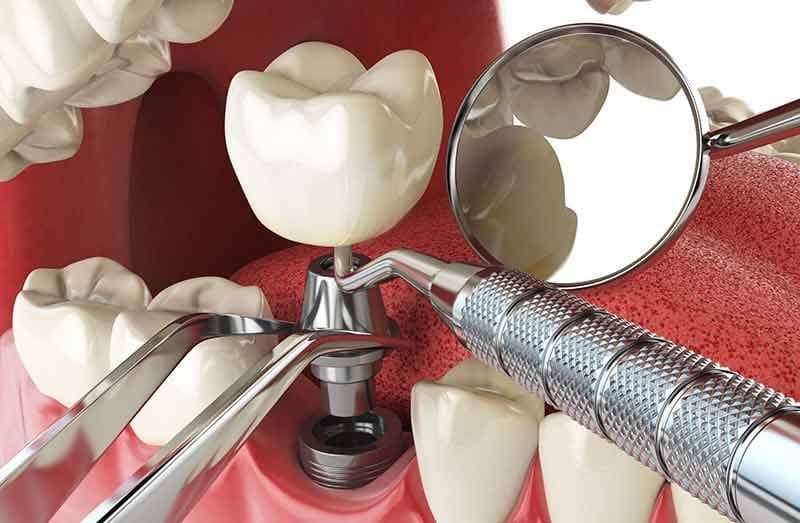
A dental implant is a permanent tooth replacement solution consisting of three components:
- Titanium implant post: A small titanium screw that is surgically placed into the jawbone to act as an artificial tooth root
- Abutment: A connector that attaches to the top of the implant post and supports the crown
- Dental crown: The visible tooth-shaped restoration that sits above the gumline, matched to the colour and shape of your surrounding teeth
The titanium post integrates with the jawbone through a process called osseointegration, fusing with the surrounding bone over several months to create a stable and durable foundation. Once fully integrated, the implant functions just like a natural tooth root, providing the stimulation that prevents the jawbone from deteriorating. Unlike dental bridges or removable dentures, implants do not require altering any healthy neighbouring teeth for support.
Why Replace Missing Teeth?
Missing teeth affect far more than your appearance. Left untreated, the gap left by a missing tooth can trigger a series of oral health problems:
Mesial Drift When there is a gap in your smile, the surrounding teeth begin to drift toward the empty space to compensate. This movement leads to misaligned, crooked, and overlapping teeth that become increasingly difficult to clean and treat.
Super Eruption If a missing tooth is not replaced, the opposing tooth in the other jaw can begin to rise out of its socket in an attempt to fill the gap. This exposes the root, causes painful sensitivity, and can lead to further tooth loss if left untreated.
Bone Loss Without a tooth root stimulating the jawbone, the body reabsorbs the bone in that area. Over time the jaw shrinks, which can cause a sunken facial appearance and make future tooth replacement more complex.
Sagging Jaw As the jawbone deteriorates, the structural support of the face changes, contributing to a prematurely aged appearance and potential changes to the bite and jaw function.
Gum Disease After a tooth is lost, the gums in that area become more vulnerable to bacteria. Without the stability of a tooth root, the gums can become susceptible to infection, inflammation, bleeding, and recession.
Shifting and Crowding As neighbouring teeth shift into the gap, the remaining teeth become crowded and misaligned, increasing the risk of decay and making orthodontic correction more difficult.
Replacing missing teeth as soon as possible preserves the surrounding bone, keeps neighbouring teeth in position, and maintains the natural structure of the face and jaw.
Dental Implants vs. Other Options
Dental Implants
- Permanent and fixed in place
- Replace the tooth root, preserving jawbone density
- Look and function exactly like natural teeth
- No impact on surrounding teeth
- Cannot develop cavities
- Easy to clean with regular brushing and flossing
- Highest upfront cost but longest lasting option with the best long-term value
Dental Bridge
- Fixed in place but relies on the two neighbouring teeth being filed down to anchor the bridge
- Does not replace the tooth root, so bone loss continues beneath the gap
- Typically lasts ten to fifteen years before replacement is needed
- Lower upfront cost than implants
- Harder to clean beneath the bridge
Dentures
- Removable and most affordable option
- Do not replace the tooth root, so bone resorption continues over time
- Can become loose and less comfortable as the jawbone changes shape
- Implant-supported dentures address the stability issue while preserving bone
For most patients who are good candidates, dental implants offer the best long-term outcome for oral health, appearance, and function.
Types of Dental Implant Solutions
Single Tooth Implant
A single implant post and crown replaces one missing tooth without affecting the neighbouring teeth in any way. It is the most conservative and natural-feeling option for replacing a single tooth.
Multiple Tooth Implants
When several teeth are missing, individual implants can be placed for each tooth, or implant-supported bridges can be used where two implants anchor a bridge covering several teeth. In some cases, a single implant can support a bridge of multiple teeth. Placing multiple implants at the same appointment reduces the per-tooth cost and consolidates recovery into a single period.
Teeth-in-a-Day
Teeth-in-a-day is a procedure where a full arch of temporary teeth is placed on the same day as the implant posts, so you leave the clinic with teeth rather than waiting through the full healing period. The temporary restoration is replaced with a permanent one once osseointegration is complete.
Implant-Supported Dentures
For patients missing most or all of their teeth, implant-supported dentures anchor a full arch of teeth to as few as four to six implants. This provides far greater stability and comfort than conventional dentures and preserves the jawbone. Options include:
- All-on-4: A full arch restoration supported by four strategically placed implants
- All-on-6: A full arch restoration supported by six implants for additional stability
- Removable implant-supported dentures: Snap onto implants for improved stability but can be removed for cleaning
The Dental Implant Process at Inova Dental
Consultation and Imaging
We begin with a comprehensive examination including digital X-rays or a CT scan to assess your bone density, gum health, and the suitability of the implant site. We use computerised planning technology to map out the procedure precisely. We determine whether bone grafting or any other preparatory procedure is required and provide a clear, all-inclusive treatment plan and cost estimate before anything begins. If you wear partial or complete dentures, these will need to be relined and refitted prior to surgery to avoid interfering with the healing process.
Bone Grafting if Required
If insufficient bone exists to support the implant, a bone graft is performed first. Depending on the type of graft required, healing takes three to twelve months before implant placement can proceed. Minor grafting can sometimes be completed at the same appointment as the implant placement. Not all patients require bone grafting.
Implant Placement
The titanium implant post is surgically placed into the jawbone under local anesthetic. A small incision is made in the gum to expose the bone, and a precise hole is drilled to seat the post deep into the bone where it will serve as the artificial tooth root. The gum tissue is sutured closed around the implant. In most cases self-dissolving stitches are used, though some cases may require manual removal. If needed, a temporary partial denture can be placed for appearance during the healing period and removed for cleaning or while sleeping.
Osseointegration
The implant is left to integrate with the surrounding bone over a period of two to six months. During this time the titanium fuses with the jawbone, creating the stable foundation that gives implants their strength and longevity. This phase is critical to the long-term success of the implant.
Abutment Placement
Once osseointegration is complete, the abutment is attached to the implant post. In some cases a healing abutment is placed at the same time as the implant post, eliminating the need for this as a separate surgical step. Once the abutment is in place, the gums are allowed to heal for approximately two weeks before the final crown is attached. You will be able to see the abutment when you open your mouth during this period.
Crown Placement
Impressions or digital scans of your remaining teeth are taken to fabricate your custom crown. Once ready, the crown is fitted and secured to the abutment. You can choose a fixed crown that is permanently cemented or screwed in place, or a removable prosthesis depending on your situation and preference. Final adjustments are made to ensure the bite, fit, and appearance are natural and comfortable.
What to Expect After Implant Surgery
Some degree of discomfort is normal after implant surgery. This typically includes:
- Bruising of the gums and skin
- Swelling of the face and gums
- Minor bleeding
- Pain or soreness at the implant site
Contact us promptly if swelling or discomfort worsens in the days following surgery rather than improving.
Bleeding: A small amount of bleeding immediately after surgery is normal. Bite gently on moist gauze for 30 minutes to control it. If bleeding persists, contact us immediately.
Swelling: Apply ice to the outside of the cheek for 30 minutes on and 30 minutes off during the first 24 to 48 hours. Sleeping with an elevated headrest for the first couple of nights will also help manage swelling.
Diet: Liquid foods only are recommended for the first two days to prevent food particles from entering the wound. On the third day, semi-liquid foods such as mashed potatoes or eggs can be introduced. A normal diet can typically be resumed after one week. Avoid smoking and alcohol throughout the healing period.
Medications: Take prescribed pain medications and antibiotics as directed. Take oral medications with half a cup of water to reduce stomach irritation and aid absorption.
Oral Hygiene: The night of surgery, rinse gently with a prescribed oral rinse or warm saltwater before bed. From day two onward, rinse with warm saltwater four to five times per day after each meal. Begin softly brushing the treated area only after four weeks.
Activity: Minimise physical activity immediately following surgery. You can gradually increase activity after a few days but avoid heavy exercise for the first week.
How Much Do Dental Implants Cost in Ottawa?
Dental implant costs in Ottawa depend on the number of implants, the type of restoration, and whether any preparatory procedures are required:
- Single tooth implant (post, abutment, and crown): $3,000 to $5,500
- Multiple implants: Cost per tooth decreases when placed together in the same procedure
- Implant-supported bridge (two implants): $5,500 to $11,000
- All-on-4 full arch: $25,000 to $35,000 per arch
- All-on-6 full arch: $30,000 to $50,000 per arch
- Bone grafting if required: $300 to $3,000 depending on complexity
- CT scan and imaging: $80 to $200
While the upfront cost of implants is higher than bridges or dentures, implants are the only tooth replacement option that preserves the jawbone, does not affect neighbouring teeth, and can last a lifetime with proper care. When viewed over a ten to twenty year horizon, implants are often the most cost-effective solution.
Dental implants are not covered under the Canadian Dental Care Plan (CDCP). Some private dental insurance plans provide partial coverage for implants under major restorative benefits, though coverage varies significantly by plan. We offer direct billing to most major insurance providers and can help you explore financing options to make treatment accessible.
Why Choose Inova Dental for Dental Implants in Ottawa?
- Comprehensive Care: We handle the full implant process in-house, from bone grafting through to final crown placement.
- Modern Technology: We use computerised planning technology and digital imaging for precise, predictable implant placement and significantly reduced risk of failure.
- Transparent Pricing: We provide a full all-inclusive cost estimate at your consultation so there are no surprises.
- Honest Assessments: We will tell you clearly whether you are a good candidate for implants and recommend alternatives where appropriate.
- Multilingual Team: Our staff speaks English, French, and Arabic, so nothing gets lost in translation.
- Two Convenient Ottawa Locations: Visit us on Innes Road or Bank Street, Monday through Saturday.
Dental Implants FAQs
Do dental implants hurt?
The implant placement procedure is performed under local anesthetic so you should feel little to no pain during the surgery. Some soreness, swelling, and bruising in the days following the procedure is normal and can be managed with prescribed or over-the-counter pain relief and ice. Most patients are surprised by how manageable the recovery is. Contact us if swelling or pain worsens rather than improves after the first few days.
How long do dental implants last?
With proper oral hygiene and regular dental checkups, the titanium implant post can last a lifetime. The crown placed on top typically lasts fifteen to twenty-five years depending on wear and care before it may need replacing. Implant failure is rare with modern planning technology. The main factors affecting longevity are oral hygiene, lifestyle habits such as smoking, and regular dental maintenance.
How long does the full implant process take?
The full process from consultation to final crown typically takes three to twelve months depending on whether bone grafting is required and how quickly osseointegration occurs. Simple cases without bone grafting can be completed in as little as three to four months. Cases requiring bone grafting take longer due to the additional healing time. Teeth-in-a-day procedures allow a temporary restoration to be placed on the same day as the implant post.
Can I get cavities on a dental implant?
No. The implant post and crown cannot develop cavities as they are not made of natural tooth material. However, the gum tissue and bone surrounding the implant can still be affected by gum disease, which is why regular checkups and good oral hygiene remain essential even with implants.
Am I a good candidate for dental implants?
Most healthy adults with adequate jawbone density are good candidates for dental implants. Patients who smoke, have uncontrolled diabetes, or have certain medical conditions may have a higher risk of implant failure and should discuss this with their dentist. Insufficient bone density can often be addressed with bone grafting before implant placement. We assess candidacy thoroughly at your consultation.
What is osseointegration?
Osseointegration is the process by which the titanium implant post fuses with the surrounding jawbone after placement. Over two to six months, the bone grows around and bonds to the surface of the implant, creating a stable permanent foundation. This is what gives implants their strength and makes them function like natural tooth roots.
Are dental implants covered by insurance?
Dental implants are not covered under the Canadian Dental Care Plan (CDCP). Some private dental insurance plans provide partial coverage for implants under major restorative benefits. Coverage varies significantly by plan. Our team offers direct billing and will help you understand your coverage and explore financing options before treatment begins.
What is the difference between All-on-4 and All-on-6?
Both All-on-4 and All-on-6 are full arch implant solutions that replace all of the teeth in the upper or lower jaw using four or six implants respectively. All-on-6 uses two additional implants for greater stability and load distribution, which may be preferable in cases where bone density allows it. Your dentist will recommend the most appropriate option based on your bone structure and clinical needs.
Can I get an implant immediately after tooth extraction?
In some cases, an immediate implant can be placed at the same appointment as the extraction. This is not always possible and depends on the condition of the bone and surrounding tissue at the extraction site. We assess each case individually and will let you know at your consultation whether an immediate placement is appropriate for your situation.
What is teeth-in-a-day?
Teeth-in-a-day is a procedure where temporary teeth are placed on the same day as the implant posts, so you leave the clinic with a full set of teeth rather than waiting through the full osseointegration period. Once healing is complete and the implants have fully integrated with the bone, the temporary restoration is replaced with a permanent one.
Ready to Replace Your Missing Teeth Permanently?
Whether you are missing one tooth or many, our team at Inova Dental is here to help you find the right solution. We are welcoming new patients at both of our Ottawa locations.
Looks like you’ve found your dental home. We look forward to seeing you soon!
Schedule My Visit