 Orleans: (613) 830-3300
 Mon-Sat 9:00am – 6:00pm


Root Canal Treatment In Ottawa
Relieve Tooth Pain and Save Your Natural Tooth
When the soft tissue inside a tooth becomes infected or damaged, a root canal can eliminate pain, stop the infection, and save the tooth from extraction. Modern root canal treatment is a routine procedure that is typically no more uncomfortable than receiving a filling. At Inova Dental, our experienced team provides gentle, efficient treatment at both Ottawa locations, helping you get back to eating, speaking, and smiling comfortably.
What Is Root Canal Treatment?
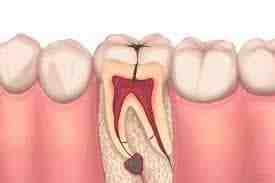
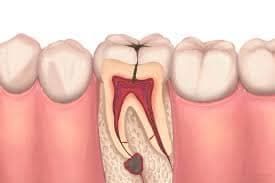
To understand root canal treatment, it helps to understand the anatomy of the tooth. Inside every tooth, beneath the protective outer layer of enamel and a hard layer called dentin, is soft tissue called the pulp. The pulp contains nerves, blood vessels, and connective tissue, and plays an important role in tooth development. It extends from the crown of the tooth all the way down to the root tips, where it connects to the surrounding tissues.
Once a tooth has fully matured, the pulp is no longer essential for the tooth’s health or function. A mature tooth without pulp can survive perfectly well because the surrounding tissues continue to nourish it. The only function of the pulp at this stage is sensory, providing the sensation of hot and cold.
When the pulp becomes infected or inflamed due to deep decay, a crack, repeated dental procedures, or injury, the result is often significant pain. Root canal treatment, or endodontic treatment, removes the damaged pulp, cleans and disinfects the canals, and seals the tooth to prevent reinfection. The tooth is then restored with a crown or filling and continues to function normally for many years.
Signs You May Need a Root Canal
Not all infected teeth cause obvious pain, but common signs include:
- Severe, persistent toothache, especially when biting or applying pressure
- Prolonged sensitivity to hot or cold that lingers after the source is removed
- A darkening or discolouration of the tooth
- Swelling or tenderness in the nearby gums
- A pimple-like bump on the gums near the affected tooth, which may indicate an abscess
- A chipped or cracked tooth that has exposed the pulp
- Teeth that feel more sensitive than usual, which may indicate bacteria have reached the jaw nerves
If you are experiencing any of these symptoms, contact us as soon as possible. Delaying treatment allows the infection to spread to the surrounding bone and tissue, making the situation more complex and costly to treat.
What Happens If You Avoid a Root Canal?
Leaving an infected tooth untreated carries serious consequences:
- Persistent and worsening pain as the infection progresses
- Spread of infection to the jaw, face, or bloodstream
- Abscess formation causing painful swelling and potentially fever
- Bone loss around the root of the tooth
- Strain and excessive wear on surrounding teeth
- The tooth becoming unsalvageable and requiring extraction
Extracting a tooth instead of saving it with a root canal seems cheaper in the moment, but replacing a missing tooth with an implant, bridge, or partial denture costs significantly more in the long run. Saving the natural tooth is almost always the better outcome.
Preparing for Your Root Canal
There is not much special preparation required for root canal treatment. A few things to keep in mind beforehand:
- Avoid eating or drinking for a few hours before your appointment
- Take any medications prescribed by your dentist as directed before the procedure
- Arrange a ride home after your appointment, as you may feel slightly weak or numb following treatment
- Let us know if you have any concerns about anxiety or discomfort — we are happy to discuss options to keep you comfortable
The Root Canal Process at Inova Dental
Examination and X-Rays
We begin with a thorough examination and X-rays to assess the extent of the infection, the anatomy of the root canals, and the complexity of the case. We will explain everything clearly and answer any questions before treatment begins. In some cases, a pulpectomy may be performed at this stage to remove the pulp and prevent further infection while the full treatment is planned.
Freezing and Access
Local anesthetic is applied to fully numb the tooth and surrounding area. A rubber dam is placed around the tooth to keep it clean and dry during the procedure. A small opening is made in the top of the tooth to access the pulp chamber and root canals. If you experience any discomfort at any point during the procedure, let us know and we will make the appropriate adjustments.
Cleaning and Shaping
The infected or damaged pulp tissue is carefully removed from the pulp chamber and each root canal. The canals are then cleaned, shaped, and thoroughly rinsed with a cleansing irrigant to eliminate all bacteria and debris. This step is critical to the long-term success of the treatment.
Sealing the Tooth
Once the canals are thoroughly cleaned and dried, they are filled and sealed with a biocompatible polymer-based material called gutta-percha to prevent reinfection. A temporary filling is placed to close the access opening while the tooth settles. In straightforward cases, the permanent restoration may be completed on the same day.
Crown Placement
Most teeth that have had root canal treatment, particularly back teeth, require a dental crown to restore strength and protect against fracture. A root canal removes the internal support of the tooth, making it more brittle. Crown placement is scheduled two to three weeks after the root canal once the tooth has fully settled.
Benefits of Root Canal Treatment
- Eliminates tooth pain and relieves infection
- Saves the natural tooth, preserving your smile and bite
- Restores normal chewing function and biting sensation
- Protects surrounding teeth from strain and excessive wear
- Prevents the spread of infection to the jaw and surrounding tissue
- Improves overall oral health
- Long-lasting results with proper care and maintenance
What to Expect After Your Root Canal
Most patients are able to return to work or school on the same day as their root canal. A few things to keep in mind during recovery:
- Avoid eating for two to four hours after the procedure while the anesthetic wears off
- Some mild soreness and sensitivity around the treated tooth is normal for a few days and can be managed with over-the-counter pain relief such as ibuprofen or acetaminophen
- Avoid chewing on the treated side until the permanent crown is placed
- Switch to a soft-bristled toothbrush and fluoride toothpaste during recovery
- Avoid vigorous brushing around the treated area for at least a week
- Rinse gently with warm saltwater if you experience any pain or inflammation
- Maintain regular brushing and flossing around the tooth
- Attend your follow-up appointment for crown placement as scheduled
- Contact us if you experience severe pain, swelling, or a return of symptoms
How Much Does a Root Canal Cost in Ottawa?
Root canal costs in Ontario vary based on which tooth is being treated. Front teeth have a single canal and are the least complex, while molars have three or four canals and require more time and precision:
- Front teeth (incisors and canines): $600 to $1,000
- Premolars: $800 to $1,200
- Molars: $1,000 to $1,600
A dental crown is almost always required after root canal treatment on a back tooth and is priced separately, typically ranging from $900 to $1,500. When combined, the total investment to save a molar ranges from approximately $1,900 to $3,100.
Root canal treatment is covered in full or in part by most dental insurance plans as a basic or major restorative procedure. It is also covered under the Canadian Dental Care Plan (CDCP) for eligible patients. We offer direct billing to most major insurance providers and are happy to help you understand and maximise your coverage before treatment begins.
Why Choose Inova Dental for Root Canal Treatment in Ottawa?
- Gentle Treatment: Modern root canal treatment is no more uncomfortable than a filling. We take every step to ensure you are comfortable before and throughout the procedure.
- Honest Assessments: We will always tell you honestly whether a tooth can be saved or whether extraction is the more appropriate choice.
- Modern Technology: Digital X-rays and precise instruments allow for accurate diagnosis and efficient treatment.
- Retreatment Available: If a previously treated root canal becomes reinfected, we provide high-quality retreatment with thorough examination, irrigation, and follow-up to protect your smile long term.
- CDCP Accepted: Eligible patients can use their Canadian Dental Care Plan benefits at both of our Ottawa locations.
- Multilingual Team: Our staff speaks English, French, and Arabic, so nothing gets lost in translation.
- Two Convenient Ottawa Locations: Visit us on Innes Road or Bank Street, Monday through Saturday.
Root Canal FAQs
Does a root canal hurt?
No. Root canal treatment is performed under local anesthetic and is no more uncomfortable than getting a filling. Most patients are surprised by how straightforward the procedure is. The pain people associate with root canals is the pain of the infection before treatment, not the treatment itself. Getting the root canal relieves that pain.
How long does root canal treatment take?
Root canal treatment typically takes around 90 minutes per tooth. Most anterior teeth and premolars take approximately one hour, while molars with multiple canals can take up to two hours. Most cases are completed in one to two appointments depending on the complexity of the infection.
Can I go back to work after a root canal?
Yes. Most patients are able to return to work or school on the same day as their root canal. You will likely feel numb for a few hours following the procedure. We advise against eating for two to four hours after treatment while the anesthetic wears off. If your work involves manual labour, take care to protect your teeth during recovery.
How long does a root canal last?
With proper care and a well-fitted crown, a tooth treated with root canal therapy can last a lifetime. Regular checkups and good oral hygiene are the most important factors in the long-term success of the treatment.
Is root canal treatment covered by insurance?
Yes. Root canal treatment is covered in full or in part by most dental insurance plans as a restorative procedure. It is also covered under the Canadian Dental Care Plan (CDCP) for eligible patients. Coverage varies by plan so we recommend checking your specific benefits. Our team offers direct billing and will help you maximise your coverage.
Do I need a crown after a root canal?
In most cases, yes. Back teeth that have had root canal treatment are more brittle and vulnerable to fracture because the internal support of the tooth has been removed. A crown protects the tooth and restores its full strength and function. Front teeth may sometimes be restored with a filling instead, depending on the amount of remaining tooth structure.
What is endodontic treatment?
Endodontic treatment is the clinical term for root canal treatment. The word comes from the Greek words endo, meaning inside, and odont, meaning tooth. Endodontic treatments target the inside of the tooth, specifically the pulp and root canals. Root canal treatment is the most common endodontic procedure.
What is root canal retreatment?
In rare cases, a previously treated root canal can become reinfected or fail to heal properly. Root canal retreatment involves reopening the tooth, removing the existing filling material, thoroughly cleaning and reshaping the canals, and resealing the tooth. At Inova Dental, we provide retreatment with the same high-quality examinations, irrigation techniques, and follow-up sessions as the original procedure.
What is the alternative to a root canal?
The only alternative to root canal treatment is extracting the tooth. While extraction may seem cheaper in the short term, replacing a missing tooth with an implant, bridge, or partial denture costs significantly more in the long run. Saving the natural tooth with a root canal is almost always the better outcome for your oral health and your wallet.
Ready to Get Out of Pain?
If you are experiencing tooth pain or have been told you need a root canal, do not put it off. Our team at Inova Dental is here to help you through it comfortably and efficiently. We are welcoming new patients at both of our Ottawa locations.
Looks like you’ve found your dental home. We look forward to seeing you soon!
Schedule My Visit